Working holiday jobs in Japan follow the seasons: winter means ski resorts in Hokkaido and the Japanese Alps, spring and autumn bring the busiest months for city and sightseeing tourism, and summer moves the work to beaches, islands and mountain resorts. Knowing which work peaks when, and when employers hire for it, lets you plan a year that never runs dry.
Why the season matters for a working holiday in Japan
Most people on a working holiday in Japan work in hospitality and tourism: hotels, guesthouses, restaurants, rental shops and resort operations. Those businesses staff up for their busy months and slim down for the quiet ones, so the same town can be desperate for help in February and have nothing going in June.
Two things follow from that. First, the best jobs are usually filled months before the busy season starts, so you plan backwards from the season you want. Second, a working holiday can be longer than one season, so many people string two together: a winter on the mountain, then a summer somewhere warm. If you are still at the planning stage, our Japan working holiday guide covers the visa and the basics, and our post on the best time to arrive looks at timing from the arrival side.
Winter (December to March): ski season
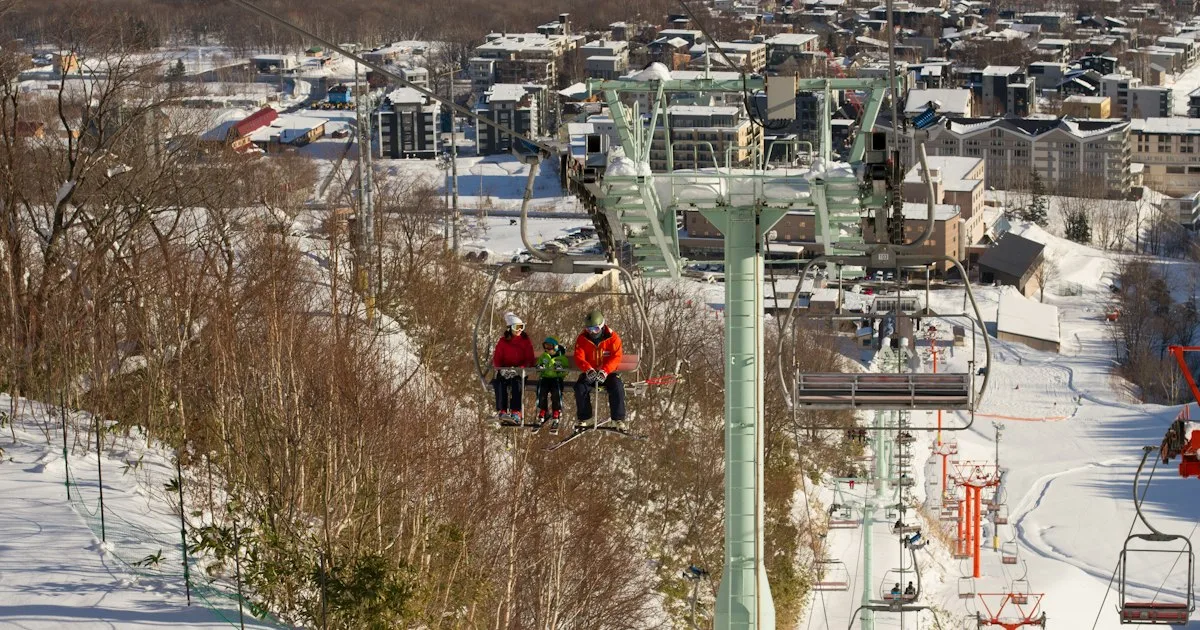
Winter is the biggest single hiring season for working holiday makers. Ski resorts need large seasonal teams, many employers provide staff housing, and plenty of roles are open to people without previous experience.
- Where: Hokkaido (Niseko, Rusutsu, Furano, Kiroro, Tomamu) and the Japanese Alps in Nagano (Hakuba and others).
- Typical roles: lift operations, ski and snowboard rental, hotel front desk, housekeeping, restaurants and bars, chalet and guest services.
- Dates: the Niseko season usually runs from early December to late March, with staff arriving in late November for training. Some resorts open earlier or run into April and beyond.
- When to apply: roles fill first come, first served, so aim for three to four months ahead, which means September or October for a December start.
Our guide to Niseko ski season jobs goes into the roles and timeline in detail, and the best ski resorts in Japan to work compares the main options.
Spring (March to May): cherry blossoms and Golden Week
Spring is a short gap and a busy peak at the same time. Ski resorts wind down through March and April, while cities and sightseeing areas fill up for cherry blossom season and then for Golden Week, the run of public holidays from late April into early May when much of Japan travels.
- Where: Kyoto, Tokyo, Osaka and other popular destinations, plus hot spring towns and countryside inns.
- Typical roles: hotel and guesthouse front desk, housekeeping, restaurant and café work, tourist information and retail.
- The handover: spring is the classic moment to move from a winter job to a city or summer job, so start looking for your next role while you are still on the mountain.
Cherry blossoms arrive at different times across the country, starting in the south and reaching Hokkaido last, so the spring rush moves north over several weeks. Our cherry blossom season jobs guide covers this period.
Summer (June to August): islands, beaches and mountains
Summer turns the map around. Rainy season usually covers much of the country in June and into July, then the heat arrives and so do the domestic holidaymakers, with school holidays from late July and the Obon holiday in mid-August as the peaks.
- Okinawa and the southern islands: beach resorts, hotels, diving and marine activity shops, and restaurants. The warm season there is long, which makes the islands the headline summer option. See our Okinawa working holiday jobs guide.
- Hokkaido: cooler summers draw visitors to Furano's flower fields, the national parks and the coast, and some ski resorts run summer activities.
- The mountains: Hakuba and other alpine areas have a "green season" of hiking, rafting and mountain biking, so some people who worked the winter stay on.
- Cities: hospitality keeps going all year, and summer festivals and events add short-term demand.
Summer work often asks for more Japanese than a ski resort does, because more of the guests are Japanese holidaymakers. A few months of study before you arrive goes a long way.
Autumn (September to November): leaves, harvests and the ski hiring rush
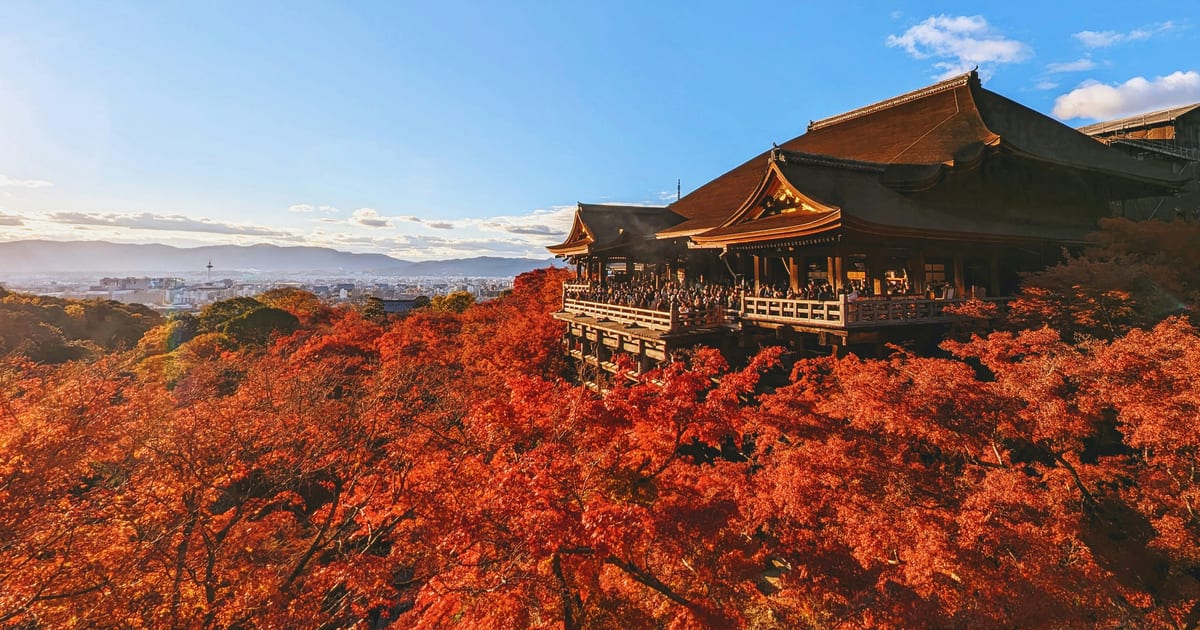
Autumn is the quieter shoulder season for beach areas, but inland and in the cities it is one of the best times of year. The autumn colours draw huge numbers of visitors to Kyoto, the Japanese Alps and hot spring towns, especially in October and November.
- Tourism: hotels, ryokan and restaurants in leaf-viewing areas are busy, so the spring roles come back.
- Rural work: harvest season brings farm and food production work in some regions. Our autumn harvest season guide explains how this can lead straight into a winter job.
- Ski hiring: autumn is when ski resorts finish their hiring and staff head north. If you want a winter job and have not applied yet, do it now.
Year-round work
Not everything is seasonal. City hotels, restaurants, cafés and convenience stores hire throughout the year, and in Tokyo and Osaka staff turnover is high enough that new openings appear every month. Year-round city work suits people who want to arrive at a time that suits them rather than the calendar, though housing is rarely included, so budget for rent.
Whatever you choose, remember that the visa sets some limits on the kind of work you can do. Our guide to working holiday visa jobs in Japan explains what is allowed, and you can check if you qualify for the visa before you plan anything.
Planning a year around the seasons
A working holiday in Japan can be long enough to cover several seasons, so it pays to think about the whole stay rather than one job. A few patterns work well:
- Winter then summer: arrive in late November for the ski season, travel in April, then take a summer job in Okinawa or Hokkaido from May or June.
- Autumn into winter: arrive in September or October for city or harvest work, then move to a ski resort in late November.
- Spring in the city: arrive for cherry blossom season, work in a city through spring and summer, and line up a ski job for the following winter.
Whichever route you take, plan the visa first. Check the current rules with the Japanese embassy or consulate where you will apply, and give yourself time to prepare a Japanese CV (履歴書) before hiring opens. For an overview of the main kinds of work, where they are and when, see our page on working holiday jobs in Japan.
How Helping Hand can help
If you know you want Japan but not where or when, our Anywhere in Japan programme is built for you. You apply with the month you can arrive and the kind of work you would enjoy, and on your hello call we help you decide on the city, resort or season that fits. It is the same Season Programme as every Helping Hand area, and it includes:
- Visa support and a document check
- A Japanese CV (履歴書) and interview prep
- A pre-departure course and planning call
- Two Japanese lessons
- Support all season, plus accommodation help where the employer does not provide it
The Season Programme costs £650, and nothing is due until your visa is granted and you have finished the pre-departure course. Apply now for Anywhere in Japan.
Already set on winter? Apply now for Niseko, where our partner employers include accommodation. Dreaming of summer on the islands? Join the waitlist for Okinawa. Planning to find your own job? Support Only (£350) gives you visa support, a pre-departure planning call, job search guides, two Japanese lessons and support all season.
Share this guide
About the author
Our Local Legend in Osaka & Kyoto
Your guide to urban Japan. Always ready to share the best spots! More about them