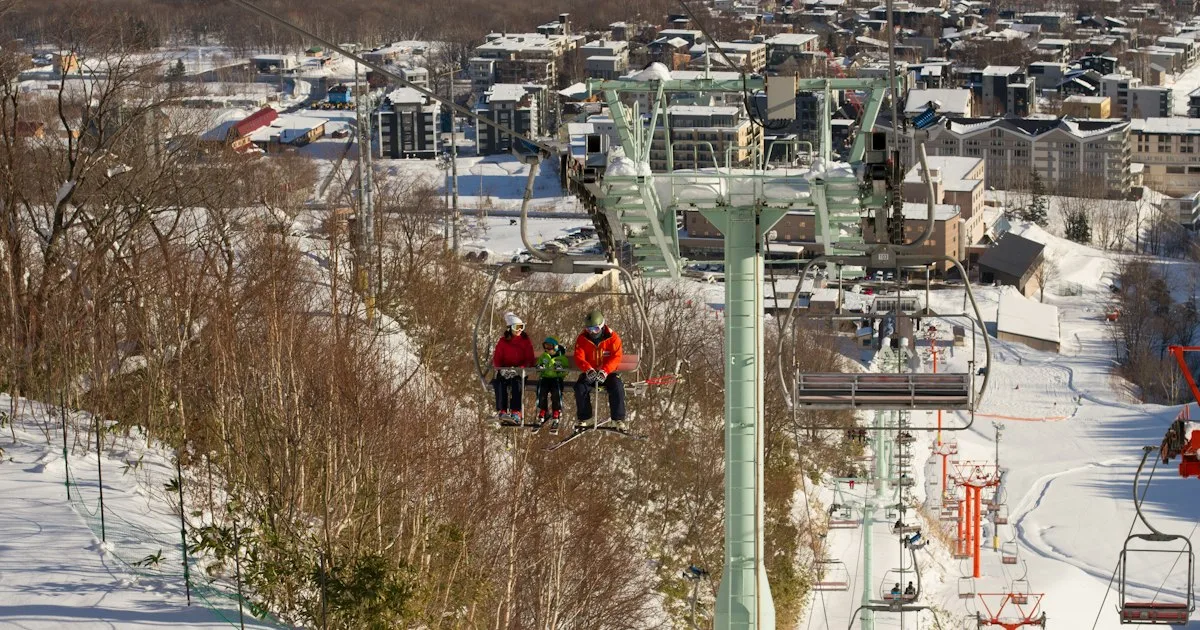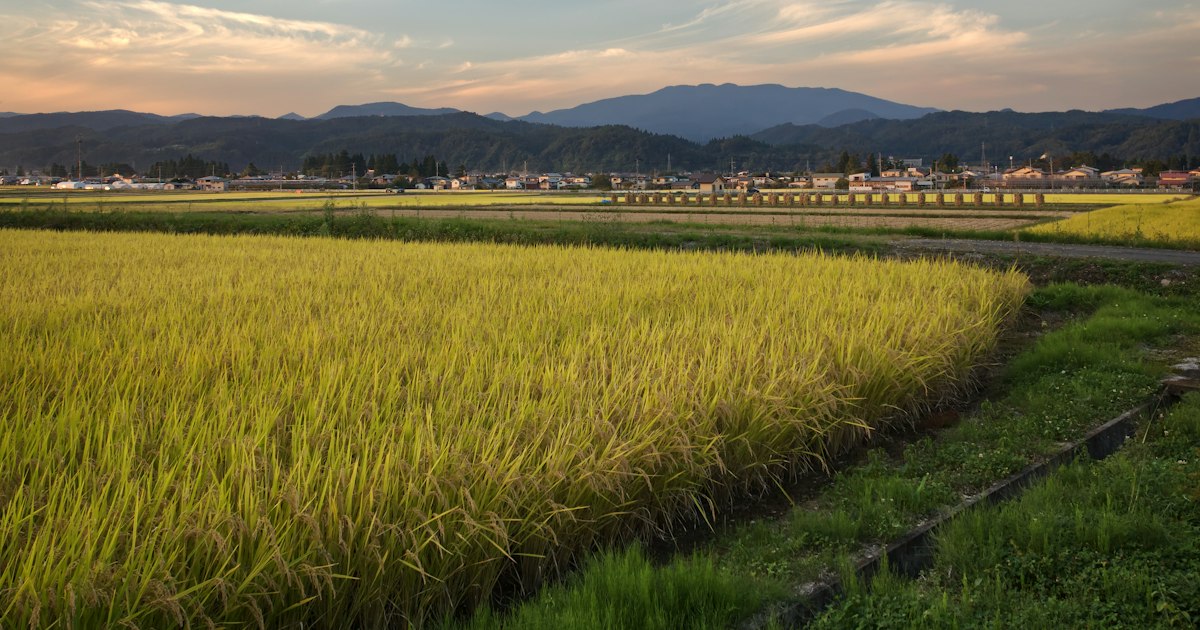
Ask most working holiday makers when the "best" time to arrive in Japan is, and they'll say winter for the ski slopes or spring for the cherry blossoms. Autumn rarely gets a mention — which is exactly why it's one of the smartest windows to take advantage of. Between September and November, Japan moves through a harvest boom, a tourism surge driven by koyo (autumn foliage), and the opening weeks of recruitment for the winter ski season. If you time an autumn arrival well, you can work three distinct seasonal economies back to back without ever running out of work.
Why Autumn Gets Overlooked
Part of the reason autumn is underrated is timing psychology — people plan their working holiday around the season they most want to experience personally (skiing, sakura), not around when hiring is actually happening. But from an employer's perspective, autumn is when two of the busiest periods of the Japanese calendar year are being staffed up simultaneously: the harvest itself, and the run-up to ski season. That means less competition from other working holiday makers for genuinely good roles, better negotiating position on start dates, and — because so many of these jobs include board — a real chance to save money before winter.
Harvest Work: Where the Jobs Actually Are
Japan's harvest season isn't one single event — it rolls through different produce and different prefectures from late summer into November. Farms and cooperatives regularly bring on temporary foreign workers for the physical labour, and while some roles require a specific visa category, a huge number are genuinely open to working holiday visa holders, especially through farm-stay style arrangements (often called "WWOOF Japan" style placements, though plenty of paid equivalents exist too).
- Apples — Aomori Prefecture: Aomori produces more apples than anywhere else in Japan, and the harvest runs roughly from late September through November. Farms need pickers, sorters, and packers, and many offer basic dormitory-style accommodation.
- Rice — nationwide, but especially Tohoku and Niigata: Rice harvest (inekari) typically runs September into early October depending on the region. It's physically demanding but short-term, making it a good way to earn quickly before moving on to your next role.
- Grapes and wine harvest — Yamanashi and Nagano: Japan's wine industry is small but growing, and the grape harvest (usually September) offers short, intense placements, sometimes with wineries that also want English-speaking staff for tasting rooms as tourism increases in autumn.
- Pears and persimmons — Tottori and Wakayama: Similar seasonal picking and packing work through October, often alongside farm-shop or roadside stall sales work where English speakers can be useful for the growing number of international tourists visiting rural Japan.
Pay for farm work varies significantly by region and role, but expect somewhere in the range of ¥1,000–¥1,300 per hour, with many placements including free or heavily subsidised accommodation and sometimes meals — which is what makes short, hard harvest stints so effective for building savings quickly.
Koyo Season: The Other Autumn Tourism Boom
Just as cherry blossom season floods Japan with tourists in spring, autumn foliage (koyo) does the same thing from late October through late November, peaking at different times depending on latitude and altitude — Hokkaido colours first, followed by Tohoku, then Kyoto and Kansai typically peaking mid-to-late November. Hospitality demand spikes hard in the classic foliage destinations.
- Nikko: One of the most famous koyo destinations near Tokyo, with shrines, temples, and mountain scenery drawing huge day-trip and overnight tourist numbers. Ryokans and hotels regularly bring on seasonal front-of-house and housekeeping staff.
- Kyoto: Autumn is arguably Kyoto's busiest tourist season after cherry blossoms, and the temples, gardens, and traditional ryokans need extra hands for guest services, kitchens, and tour support.
- Hakone: Popular for its combination of foliage, hot springs (onsen), and views of Mount Fuji — onsen ryokans here hire heavily for the season.
- Hokkaido (Daisetsuzan and around Niseko/Sapporo): Colours arrive earliest here, often mid-September, giving you an early foliage-tourism job before sliding straight into ski season recruitment in the same region.
If you already worked hospitality during cherry blossom season, this is the same playbook in reverse: hotels, ryokans, restaurants in tourist areas, and tour support roles all see a hiring bump. If you've read our guide on hospitality jobs in Japan, the same employers and job boards you used for spring hiring are worth revisiting now.
The Real Reason Autumn Matters: Ski Season Hiring Starts Now
This is the part most working holiday makers miss. Major ski resorts — Niseko, Hakuba, Myoko, and others — open recruitment for the December-to-March season in September and October, not in November or December when the snow actually falls. Waiting until winter to apply means you're applying after the best roles, and often the best accommodation options, are already taken. If Niseko is on your radar at all, autumn is when you need to be moving, not skiing.
We cover the full picture of ski season roles, pay, and resort comparisons in our complete ski season Japan guide, but the short version for autumn planning is this: lift operators, rental technicians, housekeeping, and hospitality staff are all recruited well ahead of the season, and resorts that include staff accommodation fill those spots first. Arriving in Japan in autumn lets you work a harvest or foliage-season job for a few weeks while your ski season application and visa paperwork are being processed, rather than sitting idle waiting for December.
Building an Autumn-to-Winter Working Holiday Timeline
Here's a realistic sequence many working holiday makers use to chain these seasons together without any dead time:
- Early-to-mid September: Arrive in Japan, pick up short-term harvest work (rice, grapes, or early apple picking) while applying for ski season positions.
- Late September–October: Move into a foliage-tourism hospitality role in a koyo destination, or continue farm work further south as harvests progress through different regions.
- November: Finish seasonal hospitality contracts, complete any final visa or resort onboarding paperwork, and relocate to your ski resort of choice.
- December: Start your ski season contract with accommodation and the season's income already secured — instead of scrambling in December alongside everyone who waited.
This timeline also happens to line up well with our best time to arrive guide, which flags autumn as a genuine multi-season entry point rather than a gap between the "main" seasons.
Practical Tips for Autumn Job Hunting
Farm and harvest work is often arranged directly with farms, local agricultural cooperatives (JA — Japan Agriculture), or through farm-stay placement organisations rather than mainstream job boards, so it pays to start outreach a few weeks before you actually need the work to begin. Foliage-season hospitality roles, by contrast, are usually listed the same way spring seasonal roles are — through hotel and ryokan websites, hospitality staffing agencies, and word of mouth from other working holiday makers already in the region. Ski resort applications, meanwhile, often open directly through resort HR pages or via specialist seasonal recruiters, and the earlier you apply relative to the September–October opening window, the better your choice of role and location.
A few things worth checking before you commit to any autumn role: whether accommodation is included or arranged separately, whether the position is genuinely open to working holiday visa holders (some agricultural placements are structured for a different visa category), and what the expected end date is so you can plan your move into ski season without a gap.
For the main kinds of work, where they are and when, start with working holiday jobs in Japan.
How We Can Help
Chaining harvest work, foliage-season hospitality and a ski season together is exactly the kind of planning our packages are built for — sorting out the visa and timeline logistics so you can focus on actually working the season, not chasing paperwork between jobs.
- Niseko Season Programme (£650): Visa support, a Japanese CV, a pre-departure course and support all season, with Niseko's partner hotels including accommodation — ideal if you want your ski season planned while you spend autumn on harvest or foliage-season work elsewhere in Japan. Applications for the 2026/27 season are open now, and given how early resort recruitment starts, this is the moment to apply.
- Support Only (£350): If you'd rather find your own harvest, hospitality, and ski season roles as you go, this package gives you visa guidance, pre-departure planning and ongoing in-Japan support.
Both packages include 2x Japanese language lessons as standard, pre-departure consultation, and ongoing support throughout your working holiday.
Share this guide
About the author
Our Local Legend in Osaka & Kyoto
Your guide to urban Japan. Always ready to share the best spots! More about them