Niseko is one of the easiest places in Japan to land a working holiday job. Every winter its hotels, rental shops, restaurants and lifts hire a large seasonal team, and many of those roles need no previous experience. This guide covers the jobs on offer, when the season runs, when to apply and how to get your Niseko job secured before you fly.
Why Niseko hires so many seasonal staff
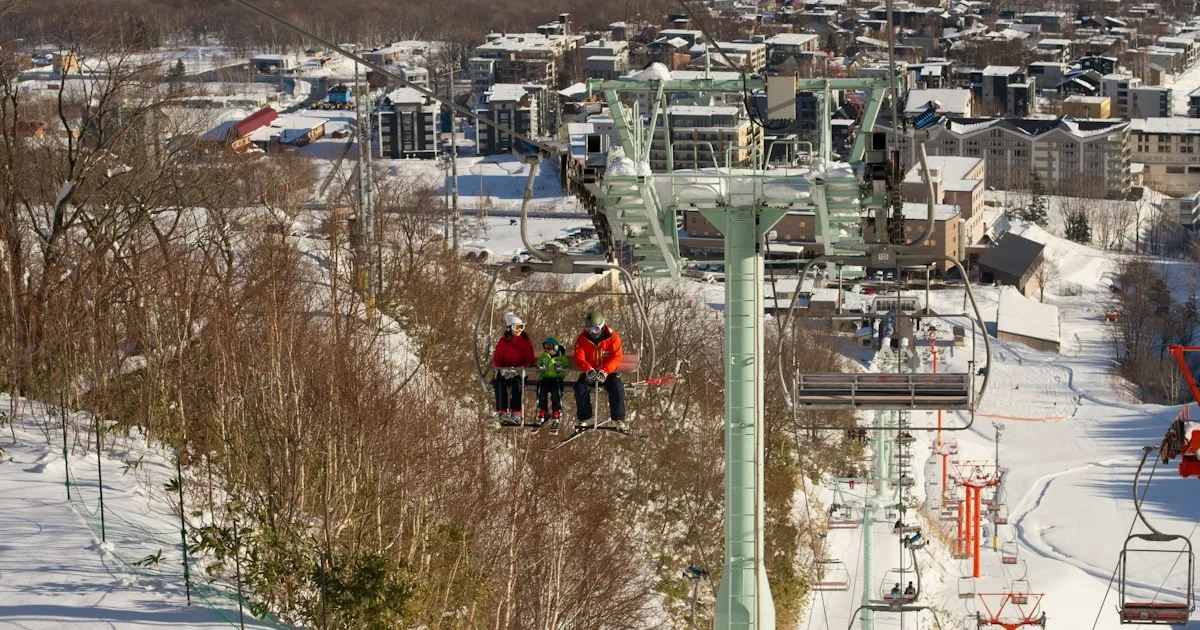
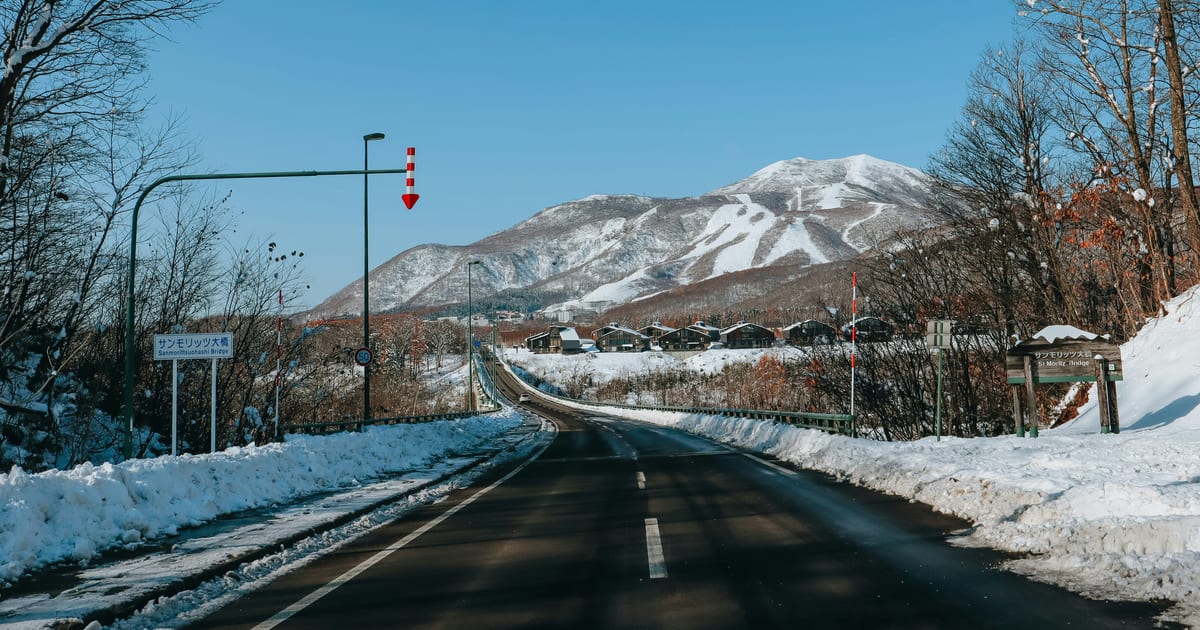
Niseko United is made up of four connected resorts on the slopes of Niseko Annupuri in Hokkaido: Grand Hirafu, Hanazono, Niseko Village and Annupuri. The area is famous for its light, deep powder, and every winter it fills with skiers and snowboarders from all over the world. Hotels, apartments, rental shops, restaurants and lift operations all need far more people from December to March than they do the rest of the year.
Because so many guests travel from overseas, businesses look for staff who can work comfortably in English alongside their Japanese teams. That is a big part of why working holiday makers fill so many Niseko roles, and why the town has such a large international community. It is an easy first working holiday in Japan even if you don't speak Japanese yet.
The flip side is that the work is seasonal. Most contracts cover the winter only, so employers hire in one big wave ahead of the season, and the best roles go to the people who apply early.
The main types of Niseko ski season jobs
Most seasonal roles are in hospitality and resort operations. These are the ones you will see most often:
- Lift operations and on-mountain roles: loading chairs, clearing snow from ramps and keeping queues moving. You work outside in every kind of weather, and you are on the mountain all season.
- Ski and snowboard rental and retail: fitting boots and skis, handling the morning rush and helping guests choose gear. Ideal if you already know your equipment.
- Hotel and apartment front desk: check-ins, guest questions and bookings. Good English is a real asset here.
- Housekeeping: preparing rooms and apartments between guests. Steady, structured work that often finishes earlier in the day.
- Restaurants, cafés and bars: both front and back of house, from serving and barista work to kitchen roles.
- Chalet and guest services: looking after guests and keeping a property running smoothly.
Many of these roles are open to people without previous experience, as employers train new staff before the season starts. If this is your first job abroad, our guide to working holiday jobs in Japan without experience explains what employers look for in beginners.
When is the Niseko ski season?
The winter season usually runs from early December to late March, with staff often arriving in late November for training. That means you need your visa sorted, your flights booked and your accommodation confirmed before the end of November.
If you are still deciding when to start your working holiday, our guide to the best time to arrive in Japan compares a winter start with spring, summer and autumn arrivals.
When to apply, and why early matters
Placements fill on a first-come, first-served basis, so applying three to four months ahead gives you the best choice of roles and locations. For a December start, that means applying around August or September. Applying later in the autumn still works, but the choice of roles narrows as the season gets closer.
A realistic timeline looks like this:
- Three to four months before: decide on Niseko, apply, and start gathering your visa documents.
- Two to three months before: confirm your role and accommodation, then apply for your working holiday visa.
- One month before: book flights into New Chitose Airport, arrange travel insurance and plan your packing.
- Late November: arrive, get settled, complete training and get ready for opening day.
The working holiday visa is applied for from your home country, through the Japanese embassy or consulate there, and the requirements differ by nationality. Check your embassy's website early, and read our guide to the most common working holiday visa mistakes so a paperwork problem doesn't cost you your start date.
Staff accommodation: the first thing to ask about
Accommodation in Niseko is in high demand during winter, because the same town that hosts thousands of guests also has to house its seasonal workforce. Before you accept any role, ask whether accommodation is included or arranged for you, what it costs, and how far it is from where you will work.
Roles that come with staff housing are usually the first to fill. Securing your job and your accommodation together takes the biggest worry out of a Niseko season.
Living in Niseko during the season
The nearby town of Kutchan has the supermarkets, banks and town hall you will use to get set up, including registering your address when you arrive. Getting there is simple: fly into New Chitose Airport near Sapporo, then take the bus or the train via Otaru to Kutchan.
You don't need fluent Japanese for many Niseko roles, but a few everyday phrases make a real difference with Japanese colleagues, at the town hall and around town. Our tips for working in Japan with limited Japanese are a good place to start.
What to sort out before you fly
A smooth start to the season comes down to a handful of practical jobs, most of which you can tick off at home:
- Your passport and visa: make sure your passport is valid for your whole stay and your working holiday visa is in it before you book anything you can't change.
- Travel and health insurance: arrange cover that starts the day you leave and includes winter sports.
- Money for the first weeks: bring enough to cover food, transport and set-up costs until your first pay day, plus a card that works in Japan.
- Winter clothing: Hokkaido winters are cold and snowy, so bring proper layers, waterproofs and boots, or budget to buy them when you arrive.
- Your first days in Kutchan: you receive a residence card when you enter Japan, and you then register your address at the town hall within 14 days of moving in. Do it early, because you will need it for a bank account and a phone contract.
What makes an application stand out
Employers are hiring a whole team at once, so a few things move your application up the pile:
- Full-season availability: arriving in late November and staying until the end of the season in late March. Employers value people who see the season through.
- Flexibility: being open to more than one type of role gets you placed faster.
- Any customer-facing experience: hospitality, retail or service work counts, even part-time.
- A positive attitude in all weather: especially for lift and outdoor roles.
- A clear visa plan: knowing when you will apply and when you can start.
For a wider view of ski work across the country, see our guide to ski season jobs in Japan.
How Helping Hand can help
Niseko is the home of Helping Hand. We find and secure your Niseko job before you leave home, arrange your accommodation, and support you from your visa application through to your last day of the season.
- A guaranteed job placement, secured before you leave
- Accommodation included
- Two Japanese language lessons as standard
- Visa application guidance and paperwork help
- Members-only Niseko guides: registration, banking, healthcare, shopping and transport
- Local support on the ground throughout the season
The package costs £650, and you only pay once your job is secured: no job, no fee. Niseko is taking applications now, so apply now for your Niseko season.
Would you rather find your own job? The Support Only package (£300) gives you visa application help, a pre-departure planning call, job search guides, two Japanese lessons and support during your trip.
Share this guide
About the author
Working Holiday Work Team
We run Helping Hand, a job placement service for working holiday makers in Japan. We find and secure your job before you fly, help with the visa paperwork, and support you on the ground once you arrive.