Timing your arrival in Japan can significantly impact your job opportunities and overall experience. Each season offers unique advantages for working holiday makers.
Winter Arrival (December-February)
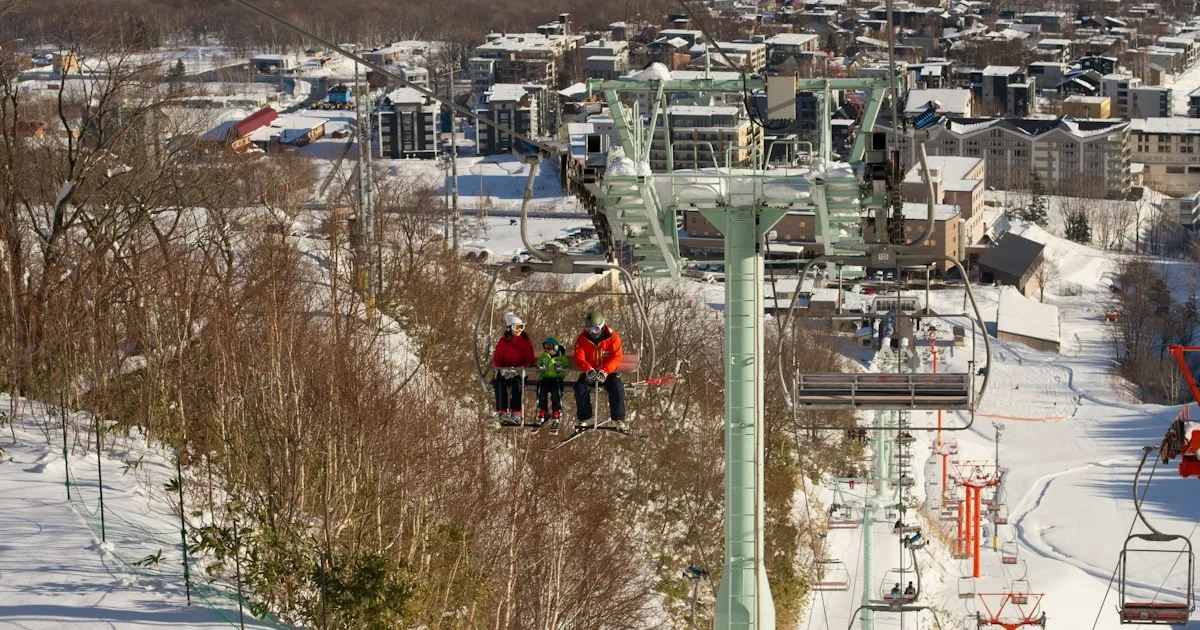
Perfect for ski resort work in Hokkaido and the Japanese Alps. High demand for English-speaking staff, accommodation often provided, and you'll experience Japan's beautiful winter scenery.
Spring Arrival (March-May)
Ideal timing for cherry blossom season tourism jobs. Many businesses hire seasonal staff for the influx of tourists. Weather is pleasant, and you'll witness Japan's most famous natural phenomenon.
Summer Arrival (June-August)
- Festival season creates temporary event work
- Beach resorts and summer camps need staff
- Teaching summer English programs
- Tourism peaks in many regions
Autumn Arrival (September-November)
Harvest season in rural areas, beautiful fall foliage tourism, and preparation for winter ski season recruitment. Weather is comfortable, and autumn colors are spectacular — see our full autumn harvest season guide for exactly how to chain this into a winter ski season role.
Year-Round Opportunities
Hospitality roles, convenience stores, and manufacturing jobs are available throughout the year. However, seasonal timing can give you access to unique experiences and higher-paying temporary work.
Consider your priorities: winter sports, cherry blossoms, summer festivals, or autumn colors. Each season offers a different glimpse into Japanese culture and work life.
Arriving for winter? With Helping Hand in Niseko, we secure your job and accommodation before you fly, help with your visa paperwork and support you through the season. You only pay once your job is confirmed. Planning a summer start instead? Join the Okinawa waitlist.
Share this guide
About the author
Working Holiday Work Team
We run Helping Hand, a job placement service for working holiday makers in Japan. We find and secure your job before you fly, help with the visa paperwork, and support you on the ground once you arrive.