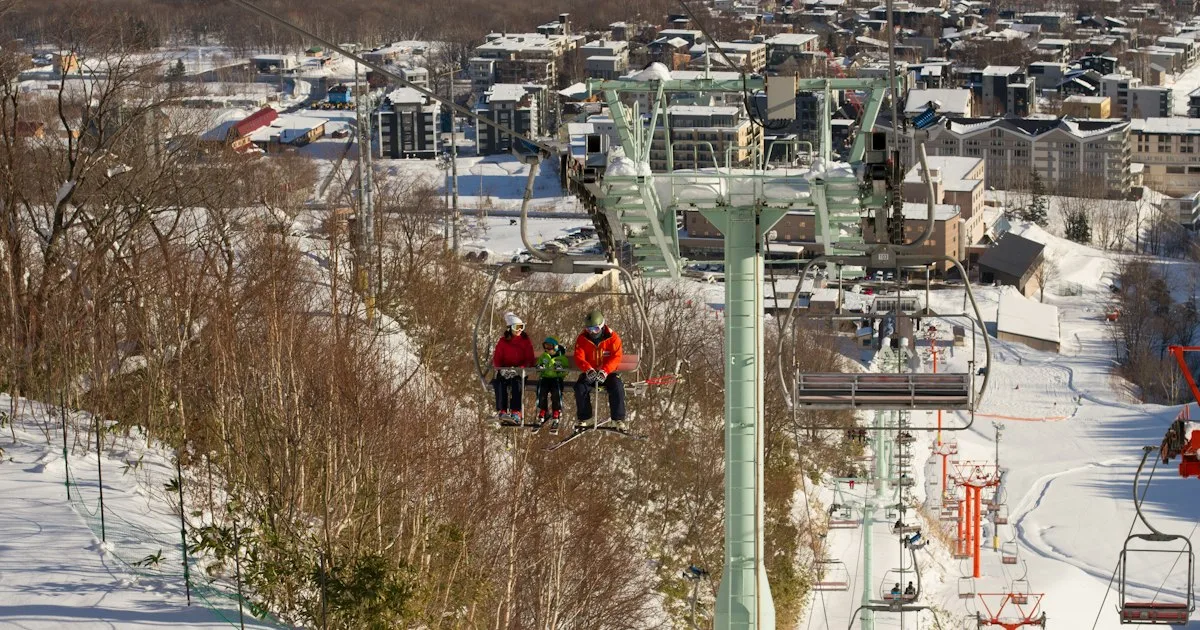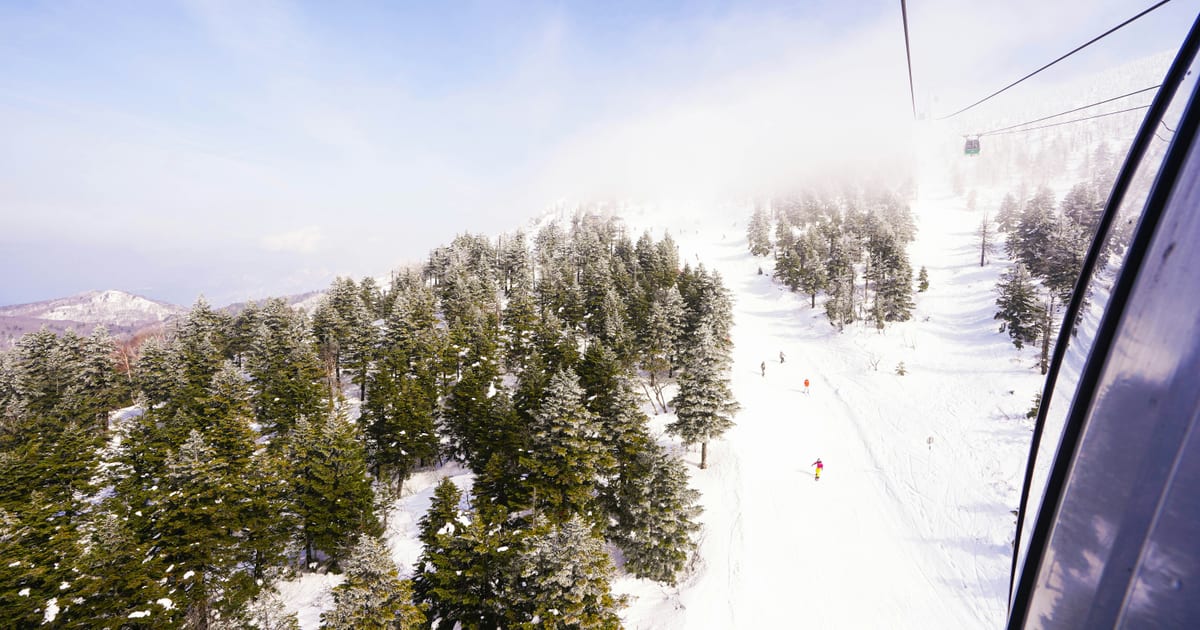
For most working holiday makers, the best ski resorts in Japan to work are Niseko and Hakuba, because they have the most international guests and so the most seasonal jobs that run largely in English. Quieter Hokkaido resorts such as Rusutsu, Furano, Kiroro and Tomamu suit people who want more snow time, a more local feel and fewer crowds.
What makes a ski resort good to work at
The best resort for a holiday is not always the best resort for a season. As a worker you live there for three or four months, so the questions are different. Before you compare names, it helps to know what you are comparing:
- The number of jobs: bigger, busier resorts need bigger seasonal teams, so you have more roles and more employers to choose from.
- How much English is used at work: resorts with lots of international guests have more guest-facing roles where English is enough to start. Quieter resorts often expect more Japanese.
- Staff housing: in a ski town, housing can make or break a season. Resorts where employers usually provide accommodation take the biggest worry off your plate.
- Life off the slopes: some resorts have a busy village with bars and restaurants; others are self-contained and quiet once the lifts close.
- Getting there and away: distance from an airport or a shinkansen station shapes your arrival, your days off and how easily you can travel after the season.
None of these makes a resort better or worse in general. A quiet resort with deep snow and few distractions is perfect for some people and a long winter for others. Decide what you want from the season first, then pick the place.
Niseko, Hokkaido: the biggest choice of jobs
Niseko is Japan's best-known powder destination and the place most first-time seasonal workers start. Niseko United is made up of four connected resorts (Grand Hirafu, Hanazono, Niseko Village and Annupuri), and the nearby town of Kutchan has the supermarkets, banks and town hall you use to get set up.
- Jobs: a very wide range of hotel, rental, restaurant, lift and guest services roles, many open to people without previous experience.
- Language: a large international community means many guest-facing roles run largely in English, which makes it an easy first season even if your Japanese is basic.
- Housing: most Niseko employers provide staff housing. Our guide to Niseko staff accommodation explains what it is usually like and what to check.
- Lifestyle: the busiest après scene in Japan, a big seasonal crowd and famously light, deep snow. The flip side is that prices in the resort area are higher than elsewhere in rural Hokkaido.
The season usually runs from early December to late March, with staff arriving in late November for training. Our guide to Niseko ski season jobs covers the roles and the hiring timeline in detail, and you can see what Helping Hand offers there on the Niseko page.
Hakuba, Nagano: a whole valley of resorts
Hakuba is the main alternative to Niseko and the strongest choice on Honshu, Japan's main island. The Hakuba Valley in the Northern Japan Alps has around ten ski resorts, and it hosted alpine events at the 1998 Winter Olympics.
- Jobs: hotels, lodges, chalets, rental shops, restaurants and lift operations spread along the valley, so the work is not tied to one mountain.
- Language: like Niseko, it is popular with international guests, so many guest-facing roles run largely in English.
- Lifestyle: steep, varied terrain under big alpine peaks, a lively centre around Happo-one, and quieter resorts at either end of the valley.
- Location: the shinkansen to Nagano and a bus into the valley put Tokyo within reach, which is handy for days off and for travelling after the season.
Hakuba also has a busy summer "green season", so some people stay on after winter. Read our guide to Hakuba ski season jobs for the roles and resorts, or see the Hakuba page, where you can join the waitlist.
Rusutsu, Hokkaido: big terrain, quiet village
Rusutsu is one of Hokkaido's biggest ski resorts, spread across three mountains a short drive from Niseko. It is known for its groomed runs, tree skiing and views of Mount Yotei.
- Jobs: most seasonal roles are based around the large resort hotel and ski area, in hospitality, rental and lift operations.
- Lifestyle: a quiet, self-contained resort village. Staff usually live on or near the resort, so you are close to the snow but further from nightlife.
- Location: Niseko is a short drive away for days off, and Sapporo and New Chitose Airport are roughly one and a half to two hours by road.
Rusutsu suits people who want to ride as much as possible and do not mind a smaller social scene. The Rusutsu page has more detail, and you can join the waitlist there.
Furano, Hokkaido: a real town with dry powder
Furano sits in the middle of Hokkaido and is known for dry powder snow in winter and lavender fields in summer. Unlike purpose-built resort villages, it is a working farm town, so you get the ski season and everyday Japanese life together.
- Jobs: roles at the ski resort and at hotels, restaurants and shops in town.
- Language: fewer international guests than Niseko or Hakuba, so some Japanese goes a long way here, and you will have far more chances to practise it.
- Season: the ski season usually runs from late November to early May, and the summer flower season brings visitors back around July, so Furano can work for more than one season.
If you want a more local experience and are keen to improve your Japanese, Furano is worth a close look. See the Furano page to join the waitlist.
Kiroro, Tomamu and Hokkaido's smaller resorts
Beyond the big names, Hokkaido has several resorts that hire seasonal staff every winter, many with a quieter feel. Kiroro, west of Sapporo, is known for heavy snowfall. Tomamu and Sahoro are resort-style destinations in central and eastern Hokkaido, built around large hotels.
Jobs at these resorts are much like the jobs in Niseko: resort hotels, restaurants, rental shops and lift operations. The difference is the setting. You will usually live on the resort itself, with fewer places to go after work and fewer other seasonal workers, but often with excellent snow and a close-knit team. Our Hokkaido ski resorts page covers them together, and you can join the waitlist there.
Quick comparison: which resort suits you?
- First season, little Japanese, want the most choice: Niseko.
- Want big mountains and easy access to Tokyo: Hakuba.
- Want to ride every day and skip the crowds: Rusutsu, Kiroro or Tomamu.
- Want real Japanese town life and to practise the language: Furano.
- Want to work more than one season: Furano or Hakuba, which both have a summer season.
Whichever you choose, the same rules apply: apply early, ask every employer what accommodation, lift pass and transport they provide, and get the details in writing. If you are reading this late in the year, our guide to ski season jobs in Japan that are still hiring explains how to apply late and still stand out. For the bigger picture of where the work is all year, start with working holiday jobs in Japan.
Sort your visa before you choose a resort
Most seasonal workers come to Japan on a working holiday visa, and the rules on age, nationality, funds and how long you can stay depend on your country. Before you spend too long choosing between resorts, check if you qualify for the visa, then read our working holiday Japan visa guides and confirm the current rules with the Japanese embassy or consulate where you will apply. Ski employers hire months ahead, so it helps to start the visa process early.
How Helping Hand can help
Not sure which resort is right for you? You do not need to decide alone. Apply for the Japan Ski Season programme and on your hello call we talk through the resorts, the jobs and what you want from the winter, and help you choose. Most of our partner resorts are in Niseko today, where staff accommodation is included. The Season Programme gets you ready before you leave home:
- Visa support and a document check
- A Japanese CV (履歴書) and interview prep
- A pre-departure course and planning call
- Two Japanese lessons
- Support all season, plus accommodation help where the employer does not provide it
The Season Programme costs £650, and nothing is due until your visa is granted and you have finished the pre-departure course. Apply now for a Japan ski season.
Already know where you want to go and planning to find your own job? Support Only (£350) gives you visa support, a pre-departure planning call, job search guides, two Japanese lessons and support all season.
Share this guide
About the author
Our Local Legend in Osaka & Kyoto
Your guide to urban Japan. Always ready to share the best spots! More about them