Okinawa working holiday jobs are mostly in tourism: resort hotels, marine activity and tour companies, and the cafés, bars and restaurants that serve millions of visitors to Japan's subtropical islands. The busiest hiring runs from spring into early autumn, which makes Okinawa a natural summer counterpart to a winter season up north.
Why work a season in Okinawa
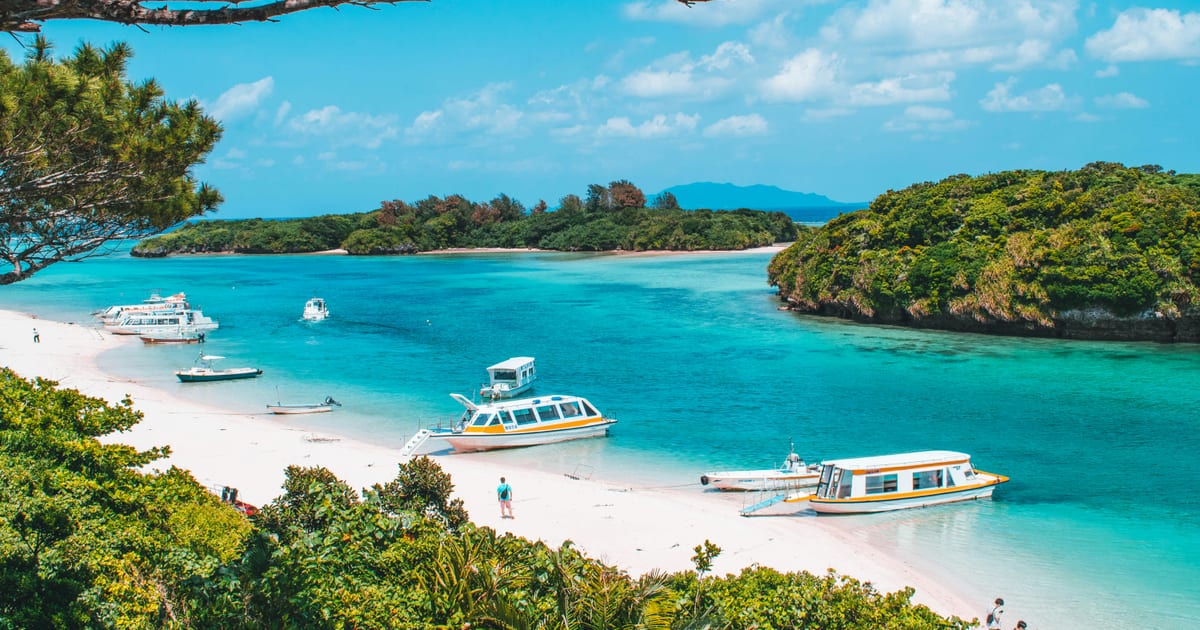
Okinawa is Japan's southernmost prefecture: a chain of islands stretching from the main island, where the capital Naha sits, out towards Taiwan. It has warm seas, coral reefs, white sand beaches and a culture of its own. The islands were once the Ryukyu Kingdom, and you will notice the difference from mainland Japan in the food, the music, the architecture and a noticeably slower pace of life.
For a working holiday maker, that combination matters. Tourism is one of the most important parts of the local economy, so hotels, tour operators and hospitality businesses need extra hands when visitor numbers rise. You get to live somewhere most travellers only see for a long weekend, and your days off can mean snorkelling, island hopping or an evening on the beach rather than a crowded city.
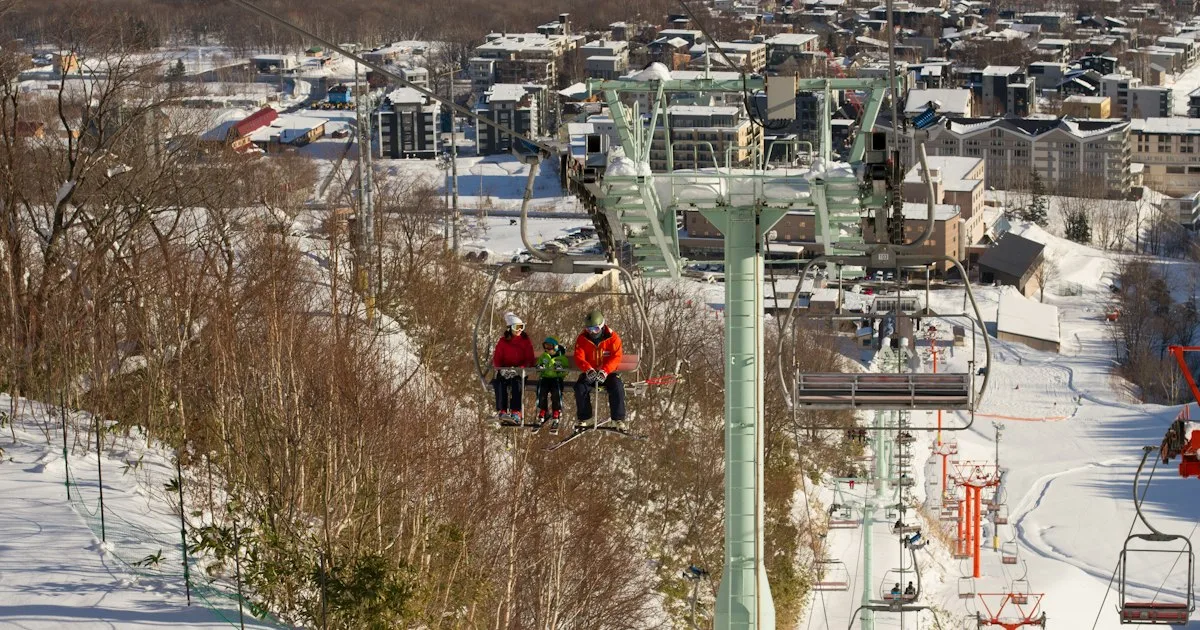
It is also one of the few places in Japan where the main season sits in the warmer months. If you are planning a full year on a working holiday in Japan, Okinawa pairs well with a ski season in Hokkaido or Nagano: snow in winter, sea in summer.
The jobs: what work is available in Okinawa
Most seasonal work for working holiday makers falls into a few groups. The roles will feel familiar if you have read our guide to hospitality jobs in Japan; the setting is just warmer.
Resort hotels
Okinawa's large beach resorts, many along the west coast of the main island, are the biggest seasonal employers. Typical roles include:
- Housekeeping: preparing rooms between guests. It is physical, steady work and a common first role.
- Restaurant and banquet service: breakfast buffets, poolside service, weddings and events.
- Front desk and guest services: check-in, activity bookings and answering questions. These roles usually expect more Japanese.
- Kitchen support: dishwashing, prep and helping the chefs through busy services.
Marine activities and tours
Diving shops, snorkelling and boat tour companies, glass-bottom boat operators and kayak tours all get busy in the warmer months. Support roles might involve checking in guests, handing out and cleaning equipment, helping on boats and keeping the shop running. Guiding and instructing roles normally need a recognised qualification, such as a diving instructor certification, so check what each employer actually requires before you apply.
Cafés, bars and restaurants
Naha, the coastal resort areas and the smaller islands all have cafés, restaurants and beach bars that see a rush of visitors in summer. Smaller businesses can be more flexible about experience, but they often expect basic Japanese for taking orders and working with the team.
Guesthouses and hostels
Backpacker hostels and guesthouses, particularly in Naha and on islands such as Ishigaki and Miyako, sometimes take seasonal staff for reception, cleaning and general help. Make sure any arrangement is a proper paid job that suits your visa conditions.
If you have no hospitality background, do not let that put you off. Our guide to working holiday jobs without experience covers the roles where a good attitude counts for more than a CV.
When the Okinawa season runs
Okinawa welcomes visitors all year, but demand for seasonal staff follows the weather and the Japanese holiday calendar:
- Spring (March to May): the sea warms up, Golden Week in early May brings a busy spell, and employers start building up their summer teams.
- The rainy season: Okinawa's rainy season comes earlier than mainland Japan's, usually around May and June. It is quieter, but a useful time to arrive and settle in before the peak.
- Summer (July to September): the peak. School holidays, beach weather and the marine activity season all land at once, and this is when hiring is strongest.
- Autumn (October to November): still warm and pleasant, with visitor numbers easing after the summer rush.
- Winter: mild compared with the rest of Japan, but a quieter time for beach and marine tourism.
Typhoons are part of life in Okinawa, most often from late summer into autumn. They can close beaches, cancel boat tours and disrupt flights for a day or two. Businesses are used to them, but it is worth asking an employer how they handle shifts when tours are cancelled. For more on timing your arrival across the year, see our guide to the best time to arrive in Japan.
Where to base yourself
Where you work shapes what your season feels like:
- Naha: the capital and only real city. The most cafés, restaurants, hostels and shops, plus the airport and the monorail. Good if you want variety and a bit of city life.
- The west coast resort areas: the stretch north of Naha is lined with large beach hotels. Many resort jobs are here, and staff often live in or near the resort.
- The northern main island: quieter, greener and more rural, with some resorts and attractions but far less nightlife.
- The outer islands: Ishigaki, Miyako and smaller islands such as those in the Kerama group are beautiful and very tourism-focused, but small. Life there is quiet, and getting around and away relies on ferries and flights.
Outside Naha, public transport is mostly buses, so a car or scooter makes life much easier. If you plan to drive, check before you leave home whether your licence can be used in Japan and what document you need with it.
Accommodation and island life
Housing is one of the first things to ask about. Some resort employers provide staff accommodation or dormitories, which is a big help on islands where short-term rentals are scarce in summer. Others expect you to find your own place in a share house or long-stay guesthouse. Ask whether rent is included, deducted from pay or paid separately, and what utilities cost. Air conditioning in an Okinawan summer is not optional, and the electricity bill reflects that.
Everyday life is relaxed. Supermarkets and convenience stores work as they do anywhere in Japan, and local food such as goya champuru, Okinawa soba and taco rice is cheap and filling. Some things on the outer islands cost more, because they have to be shipped in. As everywhere in Japan, keep cost and wage figures in mind as rough ranges, and ask employers for the details in writing.
How to prepare and apply
Most Okinawa employers recruit a few months before they need you, so if you want a summer season, start preparing in the first months of the year. A few steps make a big difference:
- Sort out your visa first. Eligibility, age limits and the paperwork depend on your nationality. Check if you qualify for the visa and confirm the current rules with the Japanese embassy or consulate where you apply. Our post on what work the visa allows explains which jobs suit it.
- Prepare a Japanese CV. Many employers expect a 履歴書 (rirekisho) in the standard Japanese format, with a suitable photo.
- Practise for interviews. Even if the interview is mostly in English, a short self-introduction in Japanese makes a good impression.
- Learn some Japanese. Guest-facing roles in Okinawa often see fewer international guests than the big ski resorts, so basic Japanese opens far more doors.
- Budget for the gap before pay day. Many employers pay monthly, so bring enough to cover your flight, a deposit and your first month or more.
If you want to compare Okinawa with other regions first, our overview of working holiday jobs in Japan shows where the work is through the year.
How Helping Hand can help
Helping Hand isn't open in Okinawa yet. If Okinawa is where you want to spend your working holiday, join the waitlist for Okinawa and you'll hear first as soon as it opens. When it does, the Season Programme for Okinawa will work the same way as our other areas, getting you ready before you leave home:
- Visa support and a document check
- A Japanese CV (履歴書) and interview prep
- A pre-departure course and planning call
- Two Japanese lessons
- Support all season, with accommodation help where your employer doesn't provide it
The Season Programme costs £650, and nothing is due until your visa is granted and you have finished the pre-departure course.
Ready to start planning now? The Anywhere in Japan programme is open on the same terms, for any job and any season. On your hello call we help you decide where and when to go.
Planning to find your own job? Support Only (£350) gives you visa support, a pre-departure planning call, job search guides, two Japanese lessons and support all season.
Share this guide
About the author

Head of “Making It All Work”
A traveller with a mission. Never taken a snowboarding lesson, yet confidently calls himself the “best snowboarder in the office”! More about them