Japan's working holiday visa lets you take almost any casual or temporary job to help fund your trip, with one clear legal exception: you must not work in bars, cabarets, nightclubs, gambling venues or any other business that affects public morals. In practice, most visa holders work in hospitality, tourism, ski resorts and seasonal jobs.
What the working holiday visa is for
It helps to start with how Japan itself describes the scheme. According to the Ministry of Foreign Affairs of Japan, working holiday programmes let young people from partner countries and regions come to Japan mainly to enjoy a holiday, and to take up employment as an incidental activity to help pay for their travel and stay.
That wording matters, because it shapes the kind of work the visa suits. It is not a work visa in the usual sense, and it is not designed as a route into a long-term career with one company. It is designed for people who want to live in Japan for a while, see the country, and earn money along the way. That is why so many working holiday makers move between seasonal jobs, or work a season and then travel.
The detailed rules, such as the age limit, how long you can stay, how many times you can take part and which documents you need, are set country by country. Our working holiday Japan visa guides cover each partner country and link to the official sources, and the Japanese embassy or consulate that serves your country always has the final word.
The jobs you cannot do
The one firm restriction applies to every working holiday maker, whatever their nationality. The Ministry of Foreign Affairs states that participants may not work at bars, cabarets, nightclubs, gambling establishments or other premises affecting public morals. Embassy guidance also gives examples such as dance halls and pachinko parlours.
The consequences are serious. The Ministry says a participant who works at one of these places is deemed to have broken Japan's immigration law and faces deportation. That is not a risk worth taking for any job, however well it pays.
A few practical points help you stay on the right side of the rule:
- Read the job description carefully: if the role is mainly in a bar, a nightlife venue or anything involving entertaining customers, walk away.
- Ask the employer directly: a reputable employer that hires working holiday makers will know the rules and will not mind the question.
- Check when in doubt: the line is a legal one, not a matter of opinion. If you are unsure whether a workplace is covered, check with the immigration authorities or your embassy before you accept the job, not after.
- Be wary of offers that seem too good: unusually high pay for little experience, vague job titles or pressure to start immediately are all reasons to slow down.
Hours, contracts and conditions
Japan does not apply one single cap on working hours to every working holiday maker, but the scheme is built around work being incidental to your holiday, and individual country arrangements can include their own conditions. Check the current rules for your nationality with your Japanese embassy or consulate before you sign a contract, especially if you are thinking about a full-time role or staying with one employer for a long time.
Whatever the visa allows, you are an employee in Japan like anyone else, and the usual employment basics apply:
- Get your terms in writing: your hours, pay, overtime, days off, contract length and any deductions for accommodation or meals should all be clear before you start.
- Understand how you are paid: many casual roles pay by the hour, while some seasonal jobs pay a monthly salary. Wages are paid in yen, usually into a Japanese bank account.
- Sort out the paperwork early: after you arrive and settle on an address, you register it at the local municipal office (generally within 14 days of moving in), and that is also where you join the National Health Insurance scheme. Employers will want an address, a phone number and a bank account for your wages.
- Expect to pay tax and contributions: income tax and other deductions can come out of your pay, so budget on what you take home, not the headline rate.
The jobs most working holiday makers do
Once you rule out the prohibited businesses, the field is wide. Most people end up in practical, people-facing roles where enthusiasm and reliability count for as much as experience. For an overview of what is out there, start with working holiday jobs in Japan.
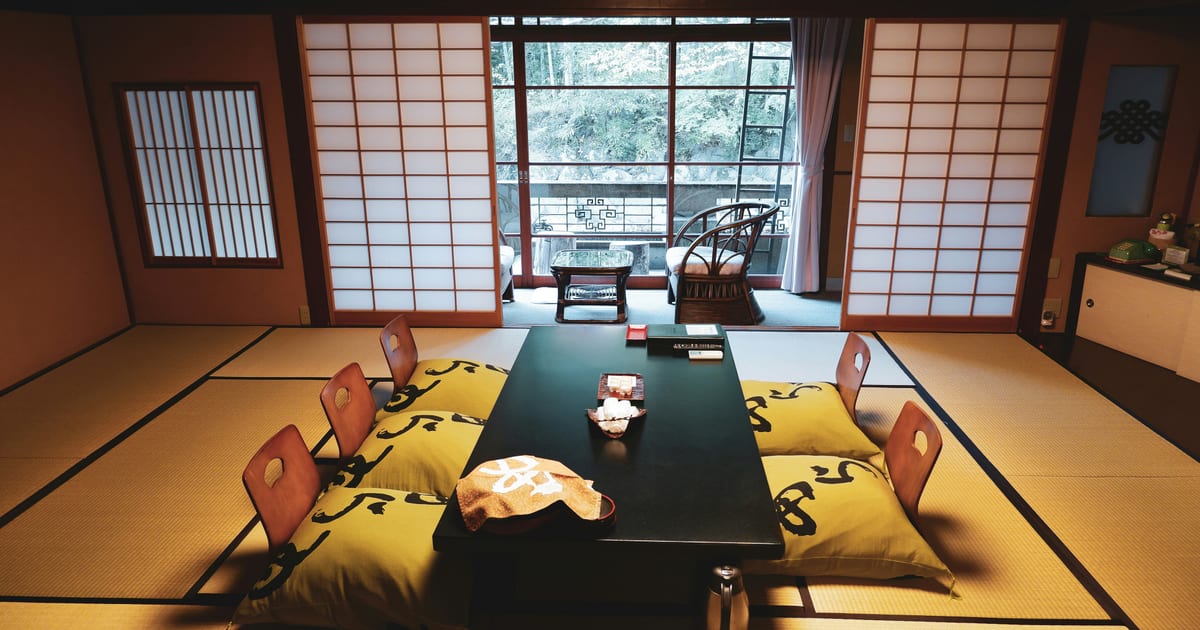
- Hotels, ryokan and guesthouses: housekeeping, front desk, breakfast service and guest services. Traditional inns in particular often hire seasonal staff, and some offer live-in arrangements.
- Restaurants and cafés: kitchen hands, floor staff and baristas, especially in tourist areas where English-speaking staff are useful.
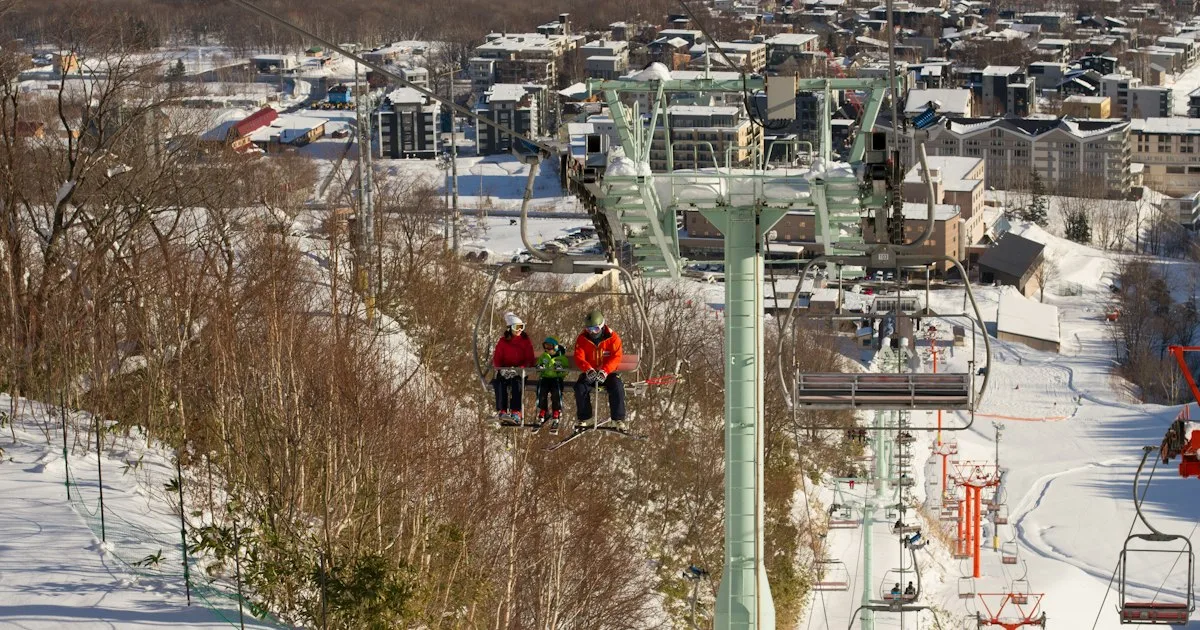
- Ski resorts in winter: lift operations, ski and snowboard rental, hotel and restaurant work, and childcare in resorts such as Niseko and Hakuba. Our guide to ski season jobs in Japan goes through the roles.
- Summer and resort work: island and beach resorts, outdoor activities and tourism roles in the warmer months.
- Farm and rural work: harvest jobs and countryside roles, often with accommodation included.
- Retail and convenience stores: shop and konbini work, which usually needs more Japanese. Our guide to convenience store jobs in Japan explains what that involves.
- English-related work: some people find tutoring or conversation work, though formal teaching roles often look for qualifications or a longer commitment.
If you have never worked in these jobs before, don't let that put you off. Our guide to working holiday Japan jobs with no experience covers the roles that are genuinely open to beginners.
How much Japanese do you need?
It depends heavily on the job and the place. In international resorts and busy tourist areas, plenty of guest-facing roles run largely in English. In local restaurants, shops and offices, you will usually need at least conversational Japanese, and reading skills help with job listings, contracts and safety instructions.
Even a little Japanese makes a big difference. A polite self-introduction in an interview shows effort, and basic phrases make it much easier to work with Japanese colleagues and handle everyday life outside work. Our tips on the language barrier at work help if you are starting from scratch.
Finding a job that fits the visa
Seasonal employers that recruit from overseas, such as ski resorts and resort hotels, are used to hiring working holiday makers, so they understand the visa and often provide staff housing. Other people arrive first and search locally through job listings, Hello Work public employment offices or word of mouth. Each route has its own trade-offs, which we cover in our guide on how to get a job in Japan on a working holiday.
Whichever route you choose, a few things make you a stronger candidate for any visa-friendly job:
- Have your visa sorted: you can only start work once your working holiday visa has been granted and you have entered Japan on it.
- Prepare a Japanese CV: many employers expect a rirekisho (履歴書), the standard Japanese CV format, alongside an English one.
- Practise your interview: be ready to explain why Japan, why the job, how long you can stay and when you can start.
- Time your arrival: landing just before a busy season, such as late November for the ski season, gives you the best chance.
If you are weighing up agencies or programmes to help with this, our page on Japan working holiday programmes explains what they usually include and what to ask before you sign.
How Helping Hand can help
If you know you want Japan but haven't decided where, the Anywhere in Japan Season Programme is open now for any job and any season. You apply with the month you can arrive and the kind of work you'd enjoy, and on your hello call we help you decide where and when to go. We work with partner employers in our open areas, and the programme gets you ready before you leave home:
- Visa support and a document check
- A Japanese CV (履歴書) and interview prep
- A pre-departure course and planning call
- Two Japanese lessons
- Support all season, with accommodation help where your employer doesn't provide it
The Season Programme costs £650, and nothing is due until your visa is granted and you have finished the pre-departure course. Apply now for Anywhere in Japan.
Planning to find your own job? Support Only (£350) gives you visa support, a pre-departure planning call, job search guides, two Japanese lessons and support all season.
Share this guide
About the author

Our Local Legend in Osaka & Kyoto
Your guide to urban Japan. Always ready to share the best spots! More about them