For a ski season in Japan, pack proper cold-weather layers, waterproof outerwear and boots with grip, your passport and visa paperwork, any medicine you need with a doctor's letter, and a small set of home comforts. Almost everything else, from thermals to a rice cooker, you can buy in Hokkaido for less hassle than carrying it.
Start with the winter you are packing for
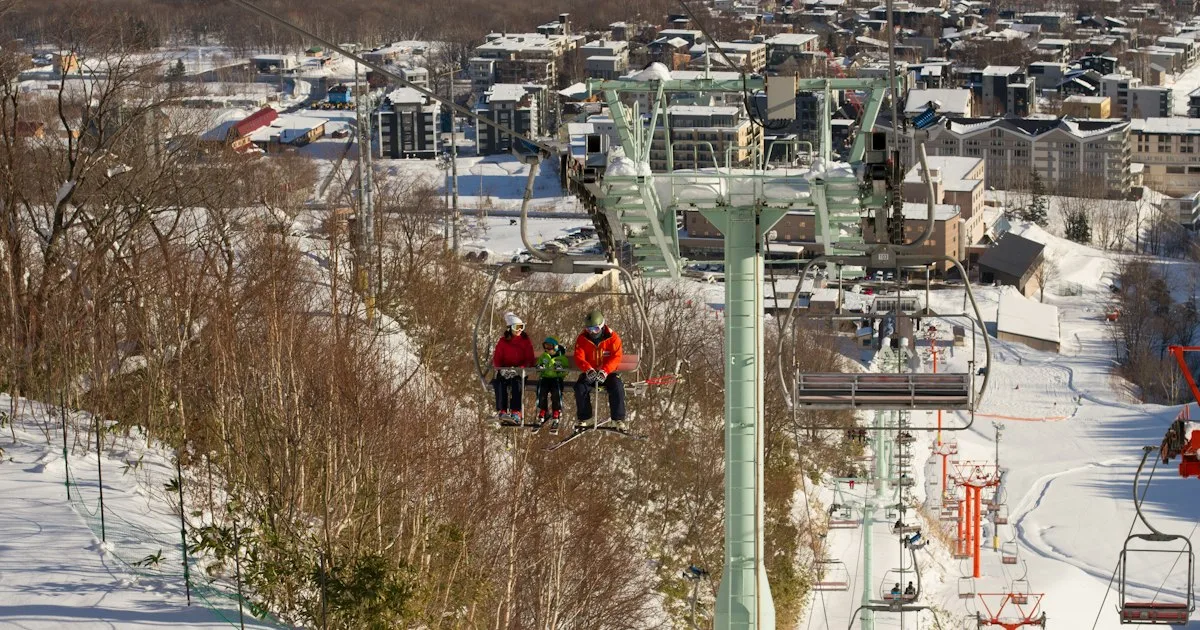
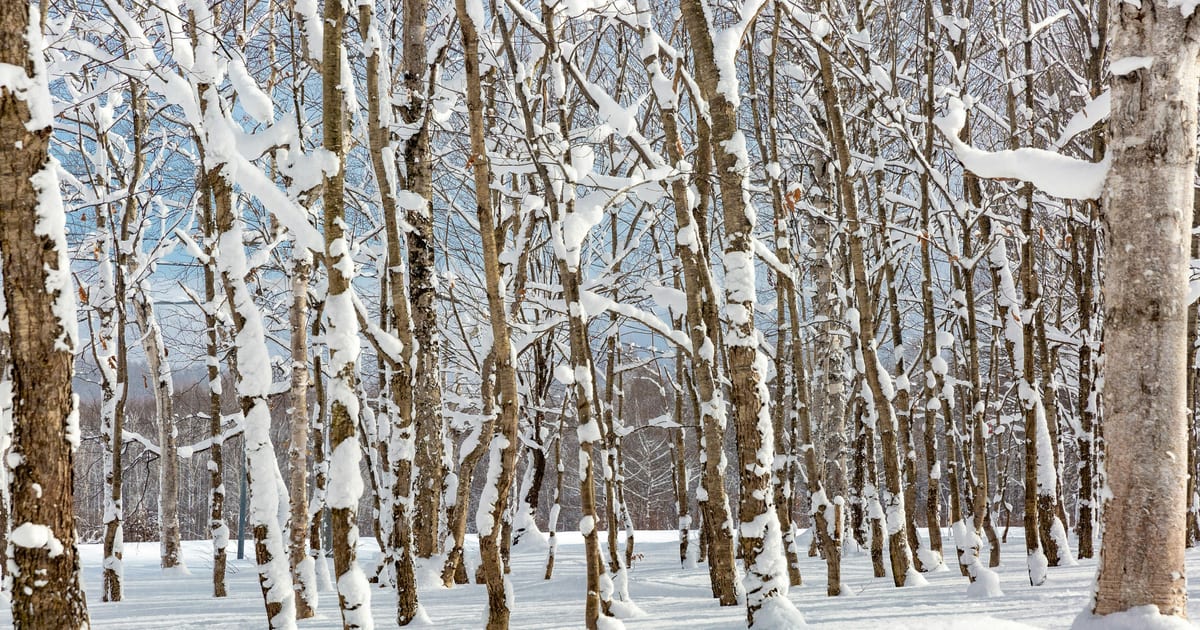
A Hokkaido season is long, cold and very snowy. In Niseko the season usually runs from early December to late March, and staff often arrive in late November for training, so you are packing for around four months of winter rather than a ski holiday. Temperatures in the village sit below freezing for much of the season, it is colder again up the mountain, and heavy snowfall is part of daily life: you will walk to work through it, shovel it and, on your days off, ride it.
That shapes the whole list. You need clothes for three settings: on the mountain, walking around town in snow and slush, and indoors, where buildings are kept warm and you will want to strip off layers quickly. You also need to pack for work, because a season is a job first. If you are still deciding on a role, our guide to Niseko ski season jobs explains what each one involves.
Documents and money
Get these right before anything else, and keep them in your hand luggage, never in a checked bag.
- Passport with your working holiday visa: check that the passport is valid for your whole stay, and keep a photo or scan of the photo page and visa somewhere you can reach from your phone.
- Visa paperwork: carry printed copies of anything the embassy or consulate gave you, plus your onward or return ticket details and proof of funds if those were part of your application. Our guide to the working holiday in Japan covers the application itself.
- Travel insurance documents: the policy number and the emergency phone number, saved offline.
- Your Japanese CV (履歴書) and contract: a digital copy of each, plus anything your employer asked you to bring on the first day.
- Cash and cards: Japan still uses cash more than many countries, especially in small shops, so arrive with some yen for your first week. Bring a debit or credit card that works abroad as a back-up until you have a Japanese bank account.
- Passport photos: a few spares are handy for forms during your first weeks.
Rules can change, so check the current requirements with the Japanese embassy or consulate where you apply before you fly, rather than relying on a packing list.
Clothing for a Hokkaido winter
Layers work better than one thick coat, because you are constantly moving between freezing air outside and heated rooms inside.
- Base layers: two or three sets of thermal tops and leggings. Merino wool is warm and does not smell after a long shift, while synthetic is cheaper and dries fast. Avoid cotton next to your skin on the mountain.
- Mid layers: a couple of fleeces or light down jackets.
- Waterproof jacket and trousers: Hokkaido snow is famously dry, but you will still get wet riding powder, lining up for lifts in a storm or shovelling outside.
- Winter boots with grip: the single most important item for daily life. Roads and footpaths are packed snow and ice for months. Look for insulated, waterproof boots with a deep tread, and consider slip-on ice grips.
- Hat, neck warmer and gloves: bring at least two pairs of gloves so one pair can dry while you wear the other.
- Warm socks: plenty of them, including ski socks if you ride.
- Indoor clothes: comfortable clothes and something casual but tidy for nights out. Staff housing and most buildings are warm inside.
- Swimwear is optional: onsen (hot springs) are enjoyed without swimwear, separated by gender, so you will only need a small towel.
Work clothes and shoes
What you wear at work depends on the job. Many employers provide a uniform, especially for lift operations, rental shops and front desk roles, but some ask you to bring the basics yourself. Ask your employer before you pack, and if you do not hear back, these cover most hospitality roles:
- Plain black trousers and a couple of plain dark tops
- Comfortable, closed-toe, non-slip black shoes for kitchens, restaurants and housekeeping
- Something smart enough for a first meeting with your manager
Outdoor roles usually come with resort jackets and trousers, but your own thermals, gloves and goggles still do the hard work underneath. If you are going for a role where English is the main working language, our guide to Niseko jobs without Japanese explains which roles those tend to be.
Ski and snowboard gear: bring it or buy it?
This is the biggest packing decision, and there is no single right answer.
- Bring it if you already own gear you like, especially boots. Well-fitted boots make the biggest difference to a long season, and they are the hardest thing to replace quickly. Check your airline's rules on ski and snowboard bags before you book, because fees and allowances vary a lot.
- Buy it locally if you are starting out or your gear is old. Niseko and Sapporo both have ski and snowboard shops, and second-hand kit is common because seasonal workers sell their gear when they leave.
- Rent it if you are unsure how much you will ride. Season-long rental is often available, and staff in rental shops sometimes get discounts. Ask your employer what perks come with your role.
A helmet and goggles are worth having either way. Goggles in particular matter in Hokkaido, where many days are snowy and flat-light. The lift pass and gear are a big part of a season budget, so read our guide to the cost of living in Niseko before you decide.
Health, toiletries and medicine
- Prescription medicine: bring enough for your stay if you can, in its original packaging, with a letter from your doctor. Japan restricts some medicines that are sold freely in other countries, including some cold, allergy and pain remedies, so check the Ministry of Health, Labour and Welfare guidance on bringing medicine into Japan before you pack anything you are unsure about.
- Skin care: cold, dry air and high-altitude sun are hard on skin, so pack a good moisturiser, lip balm and sunscreen.
- Glasses and contact lenses: bring spares and a copy of your prescription.
- Everyday toiletries: pack enough for the first week. After that, supermarkets and drugstores in Kutchan stock almost everything, though some specific brands can be hard to find.
Tech and small essentials
- Plug adapters: Japan uses two flat-pin plugs (the same shape as in North America) and 100V power. Most phone and laptop chargers handle this, but check anything with a heating element, such as a hair dryer.
- An unlocked phone: so you can use a Japanese SIM or eSIM.
- A power bank: cold drains phone batteries fast on the mountain. Power banks usually have to travel in your hand luggage, so check your airline's rules.
- Translation and map apps: download offline languages and maps before you land.
- A small daypack: for commuting to work and carrying layers on the hill.
Accommodation: what is already there
Check with your employer what your room includes before you pack bedding or kitchen gear. In staff housing, bedding, a basic kitchen and laundry facilities are often provided, but the details vary from building to building. A few small things make a shared house feel like home:
- A pair of indoor slippers, since shoes come off at the door in Japan
- A quick-dry towel and a small onsen towel
- A drying rack or a few hangers for gloves and base layers
- Earplugs and an eye mask if you are sharing a room
Our guide to Niseko staff accommodation explains what staff housing is usually like and what to ask before you arrive.
What to leave at home
- Bulky winter coats you will not wear on the mountain. Layers do the job better.
- Large amounts of toiletries and food. Kutchan's supermarkets have what you need.
- Electrical items that run on higher voltages, such as hair straighteners and travel kettles, unless they are dual-voltage.
- Too many outfits. You will live in your work clothes, your riding gear and two or three casual sets.
Aim for one large checked bag, one ski or board bag if you are bringing gear, and a carry-on. You will be lugging it through New Chitose Airport and onto the bus or train to Niseko, and moving your bags through snow is harder than it sounds.
How Helping Hand can help
Packing is the fun part of getting ready. The paperwork, the CV and the first-week admin are where most people get stuck, and that is what the Season Programme is for. With Helping Hand in Niseko, you get:
- Visa support and a document check
- A Japanese CV (履歴書) and interview prep
- A pre-departure course and planning call
- Two Japanese lessons
- Support all season, with accommodation included through our partner employers in Niseko
The Season Programme costs £650, and nothing is due until your visa is granted and you have finished the pre-departure course. Apply now for Niseko.
Want a ski season but not sure which resort? Our Japan Ski Season programme helps you choose. Planning to find your own job? Support Only (£350) gives you visa support, a pre-departure planning call, job search guides, two Japanese lessons and support all season. And for an overview of the other working holiday jobs in Japan, start on our homepage.
Share this guide
About the author
Head of “Making It All Work”
A traveller with a mission. Never taken a snowboarding lesson, yet confidently calls himself the “best snowboarder in the office”! More about them