The cost of living in Niseko is higher than in most of rural Japan, but it is very manageable on a seasonal wage if your employer provides staff housing and you cook most of your own meals. The big variables are rent, your lift pass and how often you eat out in the resort area; the rest of your budget looks much like anywhere else in Japan.
Why Niseko costs more than the rest of Hokkaido
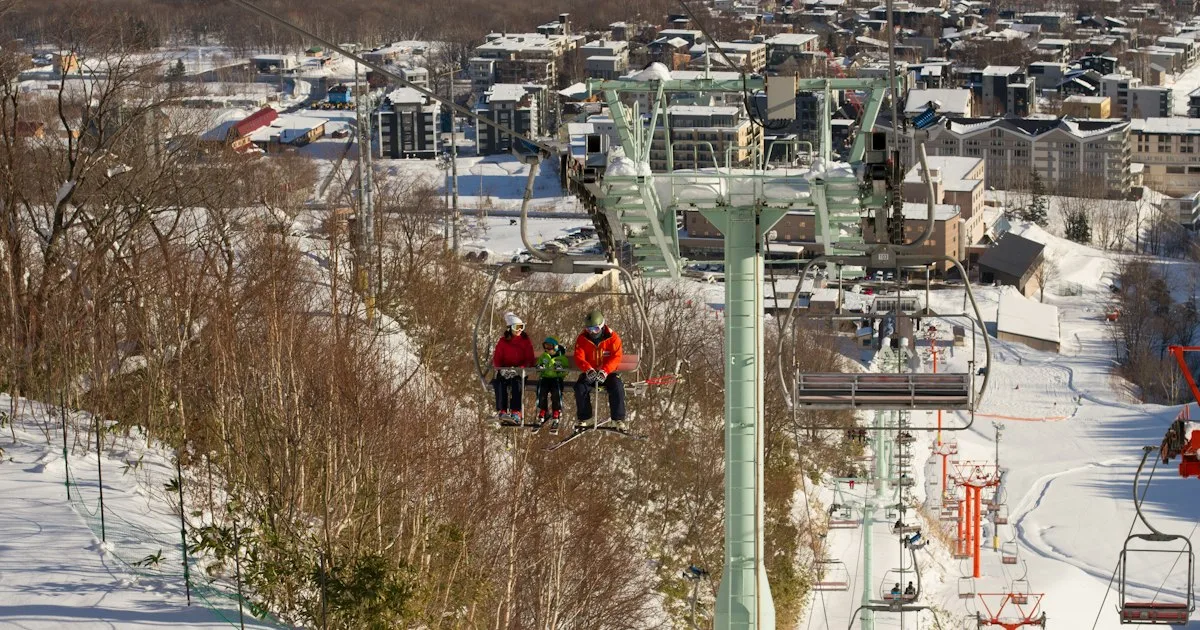
Niseko is a world-famous ski resort in a small rural corner of Hokkaido. For four months of the year the area around Grand Hirafu, Hanazono, Niseko Village and Annupuri is full of international guests, and many prices in the resort area are set with those guests in mind. A bowl of ramen, a beer or a room for the night in Hirafu in January can cost noticeably more than the same thing in Sapporo.
The good news is that seasonal workers do not live like guests. You will spend most of your time at work, on the mountain or at home, and the everyday costs that matter most (groceries, a phone plan, getting around) are close to normal Japanese prices, especially if you shop in Kutchan, the nearby town with the supermarkets, banks and town hall.
All the figures below are rough, typical ranges in yen to help you plan. Prices change from season to season and between businesses, so treat them as a guide rather than a quote.
Rent and staff housing
Housing is the single biggest factor in what a Niseko season costs you. Private rentals near the slopes are scarce and expensive in winter, because owners can earn far more letting to guests by the night. That is why most seasonal workers live in staff accommodation arranged by their employer.
How you pay for it varies:
- Included: some roles include accommodation as part of the package.
- Deducted from pay: others take a monthly rent straight from your wages.
- Paid to a landlord: in some cases you pay the rent yourself.
Utilities are the hidden part of the bill. Heating, electricity and internet may be included or charged on top, and heating a home through a Hokkaido winter is not cheap. When you compare job offers, ask what you will actually have left each month once rent, utilities and any deposit are paid, not just the hourly rate. Our guide to Niseko staff accommodation covers what staff housing is like and the questions to ask before you accept.
Food and groceries
Food is where your own habits make the biggest difference. Cooking in a shared staff kitchen and doing a weekly shop in Kutchan is by far the cheapest way to eat, and most seasonal workers settle into that routine within a couple of weeks.
- Supermarket shopping in Kutchan: rice, eggs, noodles, tofu, vegetables in season and discounted bento in the evening keep costs down. Plenty of people get by on very roughly ¥5,000 to ¥8,000 a week cooking at home.
- Convenience stores: handy between shifts, with onigiri typically around ¥150 to ¥250 and bento around ¥500 to ¥800, but the resort-area stores can be busy and pricier than the supermarket.
- Staff meals: some employers, particularly hotels and restaurants, provide a meal on shift or a staff discount. Ask, because it can cut your food bill noticeably.
- Eating out in Hirafu: in peak season a casual meal in the resort area often costs ¥1,500 to ¥3,000 or more, and a drink in a bar can easily be ¥1,000. Kutchan restaurants tend to be cheaper and more local.
A sensible plan is to cook most days and keep eating out for days off and the occasional night with your team.
Your lift pass and mountain gear
For most people the whole point of a Niseko season is the snow, so the lift pass belongs in your budget from the start. A full-price season pass for Niseko United is one of the most expensive single purchases of the winter if you have to buy it yourself.
Many resort employers include a season pass or offer a staff discount, especially for lift, rental and on-mountain roles, so this is one of the most valuable questions to ask before you accept a job. Rules differ: some passes cover one resort rather than all four, and some depend on finishing the season. Get the details in writing.
Gear is the other mountain cost. If you already own skis or a snowboard, boots and good outerwear, bringing them saves a lot. If not, you can buy second-hand once you arrive, since departing staff often sell their kit at the end of each season, or rent long-term. Staff in rental shops sometimes get discounted rental or servicing.
Phone, transport and day-to-day costs
The smaller monthly costs add up, so it helps to know them before you arrive:
- Phone: a budget data-only SIM or eSIM is typically somewhere around ¥1,000 to ¥3,000 a month, depending on the plan and data allowance.
- Local transport: buses link Kutchan with the resort areas, and many employers run staff shuttles. If you live in Kutchan and work in Hirafu, check whether your commute is covered.
- Onsen: hot springs are one of the great perks of a Niseko winter. Day entry at local onsen is typically somewhere around ¥800 to ¥1,500.
- Laundry and toiletries: small but regular, especially if your housing uses coin laundry.
- Days off: trips to Otaru or Sapporo, backcountry tours and nights out are where many people overspend. Set a monthly figure and stick to it.
Health insurance, pension and other paperwork costs
When you register your address at the town hall after arriving, you will usually be enrolled in Japan's National Health Insurance, and you may also receive information about the national pension. Premiums depend on the town and on your income, and newcomers with no previous income in Japan often pay relatively low amounts in their first year. Even so, it is a monthly cost to plan for. Your town hall will explain what applies to you, and some employers enrol staff in their own workplace insurance instead.
You may also want travel insurance that covers skiing and snowboarding for the period before you are enrolled, and for anything Japanese insurance does not cover. Read the policy carefully for winter sports exclusions.
How much money to bring to Niseko
The most important figure is not your monthly budget but the amount you need before your first pay day. Many employers in Japan pay monthly, so your first wages can arrive several weeks after you start work, and you will have arrival costs to cover first:
- Your flight, plus the airport transfer from New Chitose to Kutchan
- Any housing deposit or first month's rent
- A month or more of food, phone and transport
- Winter clothing or gear you still need to buy
- A buffer for emergencies, or for a job that does not work out
Your visa application may also ask you to show that you have enough funds for your stay, and the amount depends on your country. Before you plan your budget, check if you qualify for the visa, then confirm the current rules in our working holiday Japan visa guides and with the Japanese embassy or consulate where you apply.
If you are still choosing a role, our guide to Niseko ski season jobs explains which jobs suit first-timers and when employers hire, and our working holiday budget guide covers everyday costs elsewhere in Japan if you plan to travel after the season. For the wider picture of where the work is, start with working holiday jobs in Japan.
Ways to keep your Niseko season affordable
- Prioritise jobs with housing: it removes the biggest cost and the biggest worry in one go.
- Ask about the lift pass and staff meals: together they can be worth more than a higher hourly rate.
- Shop in Kutchan: a weekly supermarket run beats daily convenience store meals.
- Buy gear second-hand: look out for staff selling kit at the start and end of the season.
- Track your spending for the first month: once you know your real numbers, the rest of the season is easy to plan.
How Helping Hand can help
Niseko is the home of Helping Hand, and applications for the coming season are open now. We work with partner hotels across Niseko, where accommodation is included, which takes the biggest unknown out of your budget. The Niseko Season Programme gets you ready before you leave home:
- Visa support and a document check
- A Japanese CV (履歴書) and interview prep
- A pre-departure course and planning call
- Two Japanese lessons
- Support all season
The Season Programme costs £650, and nothing is due until your visa is granted and you have finished the pre-departure course. Apply now for a Niseko season.
Planning to find your own job? Support Only (£350) gives you visa support, a pre-departure planning call, job search guides, two Japanese lessons and support all season.
Share this guide
About the author
Head of “Making It All Work”
A traveller with a mission. Never taken a snowboarding lesson, yet confidently calls himself the “best snowboarder in the office”! More about them