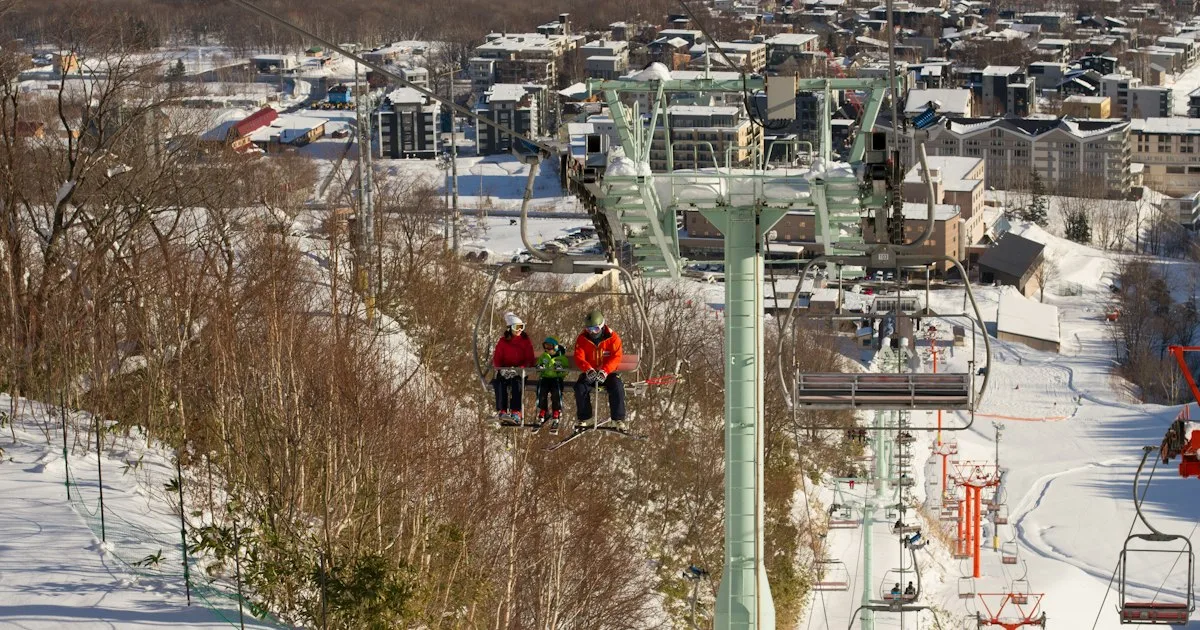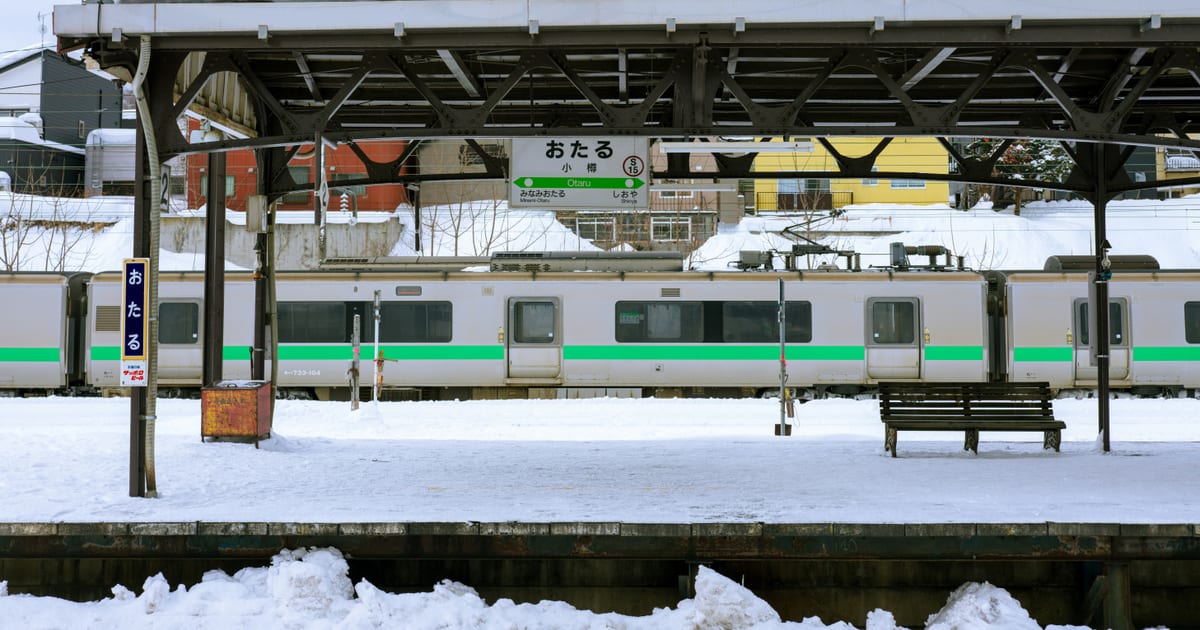
There are three main ways to get from New Chitose Airport to Niseko: a direct winter airport bus to the resorts, which takes roughly three hours; the train via Otaru to Kutchan, which takes a little longer and needs a change; or a private or shared transfer straight to your door. For most seasonal workers arriving with big bags, the bus is the simplest choice.
Where New Chitose Airport is, and how far Niseko is
New Chitose Airport (CTS) is Hokkaido's main airport, about 40 minutes south of Sapporo by train. It handles domestic flights from Tokyo, Osaka and other Japanese cities, plus international flights from across Asia. Most people starting a season come in through Tokyo first, then take a short domestic flight north, so you may arrive at the domestic terminal rather than the international one. The two terminals are connected inside the building.
Niseko sits on the other side of Hokkaido's western mountains, around 100 kilometres away by road. The resort area is made up of the four Niseko United resorts, Grand Hirafu, Hanazono, Niseko Village and Annupuri, with the town of Kutchan a few kilometres from Hirafu. Kutchan has the main train station, the supermarkets, the banks and the town hall, so it is the practical centre of the area even though the ski slopes are just outside it.
Whichever way you travel, expect the trip to take most of an afternoon. The roads cross mountain passes, and heavy snowfall slows everything down. Plan your arrival day as a travel day and nothing else.
Option 1: the winter airport bus
During the ski season, several bus services run direct from New Chitose Airport to the Niseko resorts. They usually stop at Grand Hirafu, Niseko Village, Annupuri and, on some services, Hanazono and Kutchan. The journey normally takes around two and a half to three and a half hours, depending on the route, the number of stops and the weather.
- Why it suits seasonal workers: no changes, your bags go underneath the bus, and it drops you close to where most staff housing is.
- Book ahead: seats are reserved, and services fill up around Christmas, New Year and Chinese New Year. Late November and early December, when most staff arrive, are usually easier, but booking before you fly is still wise.
- Check the schedule against your flight: there are only a handful of departures a day, and the last one leaves in the early evening. Leave at least an hour after landing to clear immigration if you are on an international flight, collect bags and find the bus stop.
- Luggage: a large suitcase plus a ski or snowboard bag is normally fine, but check the operator's allowance when you book.
The bus counters and stops are on the ground floor of the domestic terminal, and staff are used to directing skiers. Fares change from season to season, so check the current price when you book; it is typically a few thousand yen each way.
Option 2: the train via Otaru to Kutchan
The train is a good alternative if the buses are full, if your flight lands at an awkward time, or if you simply like rail travel. It works in two legs:
- New Chitose Airport to Otaru. The JR Rapid Airport service leaves from the station under the domestic terminal and runs through Sapporo. Some trains continue to Otaru; on others you change at Sapporo. Allow roughly an hour and a quarter to an hour and a half.
- Otaru to Kutchan. From Otaru, a local train on the JR Hakodate Line climbs through the mountains to Kutchan in around an hour and a half. These trains are infrequent, sometimes with gaps of two hours or more, so plan the connection before you set off.
From Kutchan Station, a local bus or a taxi takes you the short distance to Grand Hirafu. If you are working at Niseko Village or Annupuri, Niseko Station, one stop further down the line, can be closer, though it has even fewer trains. Check with your employer which station is better for your housing.
A few practical points for the train:
- The Otaru to Kutchan trains are small, with little space for luggage. Two big bags and a board bag is a lot to manage, especially at peak times.
- IC cards such as Suica and Kitaca work on the airport and Sapporo lines but may not work for the whole journey. Buy a paper ticket or carry cash if in doubt.
- The future of the line beyond Otaru is linked to the Hokkaido Shinkansen extension, but trains run today. Check the current JR Hokkaido timetable before you travel.
The total journey usually takes three to four hours including the change, and the fare is generally in a similar range to the bus.
Option 3: private and shared transfers
Private transfer companies run door-to-door vans between the airport and Niseko all winter. Shared shuttles combine several groups going the same way, which lowers the cost; a private van is yours alone. They cost considerably more than the bus or the train, but they meet you in the arrivals hall and drop you at your accommodation, whatever time you land.
A transfer makes sense if you arrive late at night after the last bus, if you are travelling with several friends who can split the cost, or if you are carrying more than you can comfortably handle. Before you book anything, ask your employer whether they organise transport for new staff. Some do, especially when many people start on the same day, and it is worth knowing before you pay for your own.
What about driving?
Hiring a car at the airport is possible, but it is rarely the right choice for a seasonal worker. The route crosses snowy mountain roads, conditions change quickly and visibility can drop to almost nothing in a storm. You also need a licence that is valid in Japan, which for many nationalities means an International Driving Permit issued in your home country before you leave. Most staff do not need a car during the season anyway, because staff housing is usually within walking distance or on a shuttle route. Leave the driving until you know the roads.
Tips for arrival day
A long flight, a time difference and a three-hour bus ride make for a tiring day. These habits make it easier:
- Fly in early in the day if you can. It gives you options if a flight is delayed or a bus is full.
- Have a backup plan for late arrivals. If you land after the last bus, there is a hotel inside the airport and many more in Sapporo. Spending a night there and travelling the next morning is often cheaper and less stressful than a late-night transfer.
- Consider sending big bags ahead. Luggage delivery counters at the airport can forward suitcases and ski bags to an address in Niseko, usually arriving the next day or the day after. Confirm your employer or housing can receive them.
- Carry some cash. Japan uses cards much more than it used to, but cash is still handy for buses, taxis and small shops in Kutchan.
- Dress for the snow, not the plane. Keep a warm jacket, gloves and proper shoes in your hand luggage; you may be waiting at a bus stop in sub-zero temperatures.
Our guide to what to pack for a ski season in Japan covers the rest of your kit, and our post on Niseko staff accommodation explains what to expect when you reach your room.
When to arrive for the season
The Niseko winter season usually runs from early December to late March, and staff often arrive in late November for training. That timing helps with transport too: the airport buses are quieter before the December holidays, and you will have a few days to settle in before the resorts open. In your first week you will need to register your address at the town hall in Kutchan, open a bank account and sort out a phone, so arriving a little early gives you breathing space.
Before any of that comes the visa. If you are still at the planning stage, our Japan working holiday guide explains how the visa works, and our guide to Niseko ski season jobs covers the roles and when to apply. For a realistic view of the money side, read our breakdown of the cost of living in Niseko. Niseko is one of the most popular places for working holiday jobs in Japan, and getting the logistics right early makes the whole season smoother.
How Helping Hand can help
Niseko is open now, and it is where Helping Hand is based. The Niseko Season Programme gets you ready before you leave home, including your travel plan from the airport to your new home:
- Visa support and a document check
- A Japanese CV (履歴書) and interview prep
- A pre-departure course and planning call
- Two Japanese lessons
- Support all season, with accommodation help where your employer doesn't provide it (Niseko jobs include accommodation)
The Season Programme costs £650, and nothing is due until your visa is granted and you have finished the pre-departure course. If Niseko sounds right, apply now.
Want a ski season but not sure which resort? The Japan Ski Season programme is open on the same terms, and we help you choose on your hello call. Planning to find your own job? Support Only (£350) gives you visa support, a pre-departure planning call, job search guides, two Japanese lessons and support all season.
Share this guide
About the author

Head of “Making It All Work”
A traveller with a mission. Never taken a snowboarding lesson, yet confidently calls himself the “best snowboarder in the office”! More about them