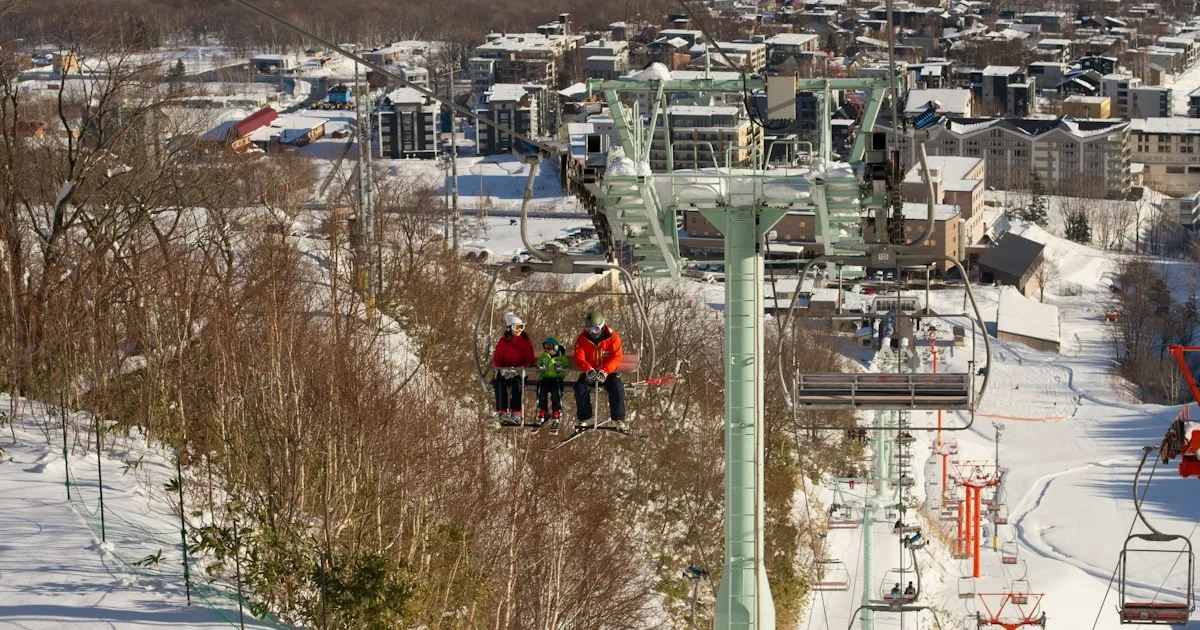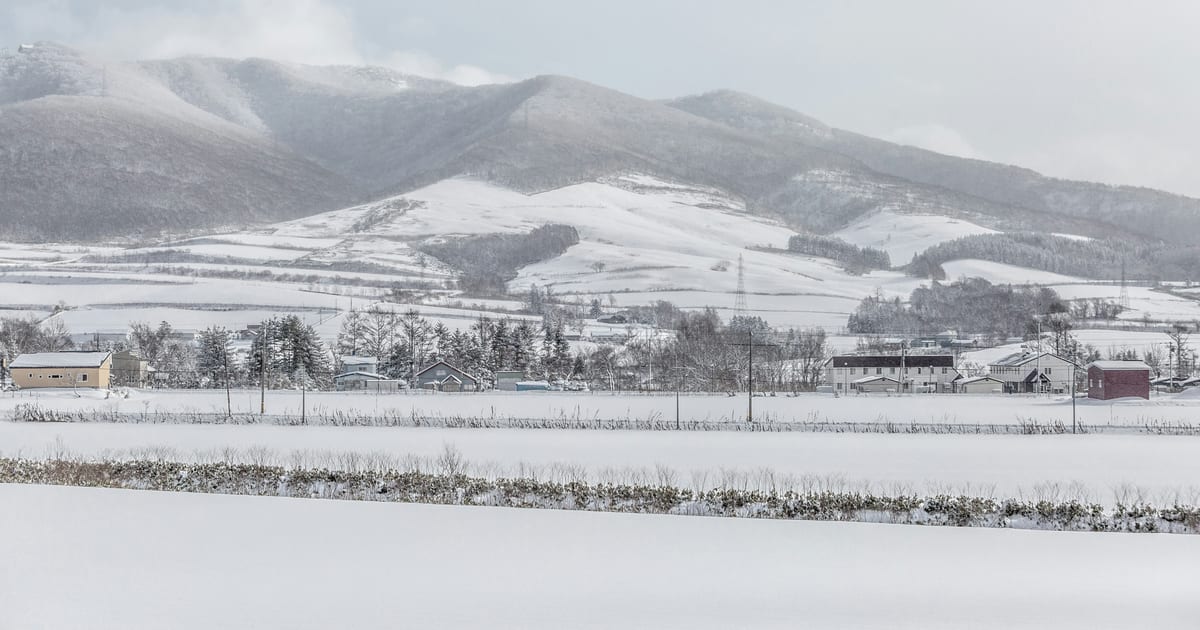
Niseko staff accommodation is usually a shared room or a small shared apartment arranged by your employer, a short walk or shuttle ride from where you work. It is simple rather than luxurious, and the most important thing is to have it confirmed before you fly, because housing in Niseko runs out long before the snow arrives.
Why accommodation matters so much in Niseko
Niseko is a small place that gets very busy. Every winter, the area around Grand Hirafu, Hanazono, Niseko Village and Annupuri fills with guests from all over the world, and the same apartments, chalets and hotels that host them are the ones a seasonal worker might hope to rent. Owners can earn far more letting a room to guests by the night than to staff by the month, so private rentals near the slopes are scarce and expensive in winter.
That is why staff housing is the first thing experienced seasonal workers ask about. A great job with nowhere sensible to live quickly turns into a long commute, a stretched budget or a stressful search from overseas. If you are still choosing a role, our guide to Niseko ski season jobs explains which employers hire most heavily and when they recruit.
What Niseko staff accommodation is usually like
There is no single standard, because each employer arranges housing in its own way. Most setups fall into a few familiar types:
- Staff dormitories: a building set aside for workers, with shared bedrooms or single rooms off a corridor, and shared kitchens, bathrooms and laundry. Large hotels and resort operators often use this model.
- Shared apartments or houses: a few staff share a flat or a house, each with a bedroom or a shared bedroom, and split the kitchen and living space. Smaller businesses often lease places like this for their team.
- Rooms on site: some lodges and smaller hotels keep a few staff rooms within the property itself, which makes for the shortest commute in town.
- Housing in Kutchan: the nearby town of Kutchan has supermarkets, banks and the town hall, and some staff housing is based there, with a bus or shuttle up to the resort area.
Sharing a bedroom is common, particularly in your first season. Rooms tend to be compact and practical: a bed, some storage and heating. Kitchens are usually shared, so you cook alongside your housemates rather than having your own. It is worth arriving with realistic expectations. Staff housing is a base for working, skiing and sleeping, not a holiday apartment.
What it costs and how you pay
How you pay for staff housing varies by employer. In some roles accommodation is included as part of the package; in others a monthly rent is taken directly from your pay; in others you pay the landlord yourself. Utilities such as heating, electricity and internet may be included or charged separately, and heating can be a real cost in a Hokkaido winter.
Because the arrangement differs from job to job, avoid comparing roles on hourly pay alone. Ask what you will actually have left each month once rent, utilities and any deposit are covered. Two roles with similar pay can leave you in quite different positions once housing is taken into account. Any figures you are given should be in yen, and it is worth getting them in writing.
For a wider view of budgeting in Japan, our working holiday budget guide covers the everyday costs that apply wherever you live, from food to phone plans.
Location: walking distance or shuttle?
Where your housing sits matters almost as much as what it is like. Niseko winters are snowy, and walking even ten minutes after a late shift in a snowstorm feels very different from the same walk in daylight. When you look at a housing offer, think about:
- The commute to work: is it walking distance, or do you rely on a staff shuttle or the local bus? If it is a shuttle, check when it runs, especially for early starts and late finishes.
- Access to the slopes: being close to a lift makes it easy to get a few runs in before or after a shift, which is half the reason most people do a season.
- Shops and services: the resort area has convenience stores, but the larger supermarkets, the bank and the town hall are in Kutchan. Living there can make errands easier and food cheaper, at the cost of a longer trip to the mountain.
- Getting home at night: if you work in a bar or restaurant, find out how late transport runs and whether your employer helps on late nights.
House rules and living with other staff
Shared staff housing comes with house rules, and they are taken seriously in Japan. Expect guidance on rubbish and recycling, which in Japanese towns is sorted carefully and collected on set days. You will usually be asked to keep noise down at night, keep shared spaces clean, and take your shoes off at the entrance. Some housing has rules on guests and on smoking.
Living with your co-workers is a big part of the season. Many people find it is how they make friends for life, share lifts to the mountain and plan days off together. It also means being considerate: people work different shifts, so someone is always sleeping while someone else is getting ready for work. A short conversation early on about cleaning and quiet hours saves a lot of tension later.
If you are worried about settling in without Japanese, our guide to getting past the language barrier at work has practical tips for the first few weeks.
Questions to ask before you accept a job
Before you say yes to any role, ask your employer, or whoever is placing you, the same set of questions. Clear answers now prevent most of the problems seasonal workers run into:
- Is accommodation included, arranged for me, or something I find myself?
- What does it cost each month in yen, and are heating, electricity and internet included?
- Is there a deposit or key money, and when is it returned?
- Will I have my own room or share, and with how many people?
- Where is it, and how do I get to work and back, including after late shifts?
- What is provided: bedding, kitchen equipment, a washing machine, Wi-Fi?
- From which date can I move in, and when do I have to move out at the end of the season?
- What happens to my housing if the job ends early?
The move-in date deserves special attention. Staff often arrive in late November for training, ahead of a season that usually runs from early December to late March, and your housing needs to be ready the day you land, not a week later.
What to bring for staff housing
Most staff accommodation covers the basics, but it is rarely fully kitted out. Once you know what is provided, a few things make the season more comfortable:
- Warm indoor layers and slippers: Japanese homes are heated room by room, and corridors and bathrooms can be cold.
- A drying setup for wet gear: ski clothing needs somewhere to dry overnight, and drying space is often limited.
- A padlock and a small organiser: useful in shared rooms and lockers.
- Earplugs and an eye mask: worth their weight when housemates work different shifts.
Bulky items such as extra bedding or kitchen basics are usually easier to buy locally once you arrive and know what is missing.
If housing isn't included
Some roles in Niseko do not come with accommodation. If you are offered one, think carefully before accepting it from overseas. Finding a room on your own in a busy ski town is hard, and it gets harder as the season approaches. If you do go ahead, start looking straight away, consider Kutchan as well as the resort area, and do not commit money to a place you cannot verify.
If it is already autumn and you are still looking, our guide to ski season jobs in Japan that are still hiring explains how to apply late, and why roles with housing attached are the ones to prioritise. Remember too that your working holiday visa has to be in your passport before you start work; our working holiday Japan visa guides link to the official sources for each country.
How Helping Hand can help
Niseko is the home of Helping Hand, and applications for the coming season are open now. With the Niseko package, your job and your accommodation are both sorted before you leave home, so you arrive knowing where you will work and where you will sleep.
- A guaranteed job placement, secured before you fly
- Accommodation included
- Visa application guidance and paperwork help
- Two Japanese lessons as standard
- Local support throughout your season
The package costs £650, and you only pay once your job is secured: no job, no fee, and nothing upfront. Apply now for a Niseko season.
Not set on Niseko yet? The Japan Ski Season package is open now on the same terms, and on your hello call we help you choose the resort that suits you.
Share this guide
About the author
Working Holiday Work Team
We run Helping Hand, a job placement service for working holiday makers in Japan. We find and secure your job before you fly, help with the visa paperwork, and support you on the ground once you arrive.