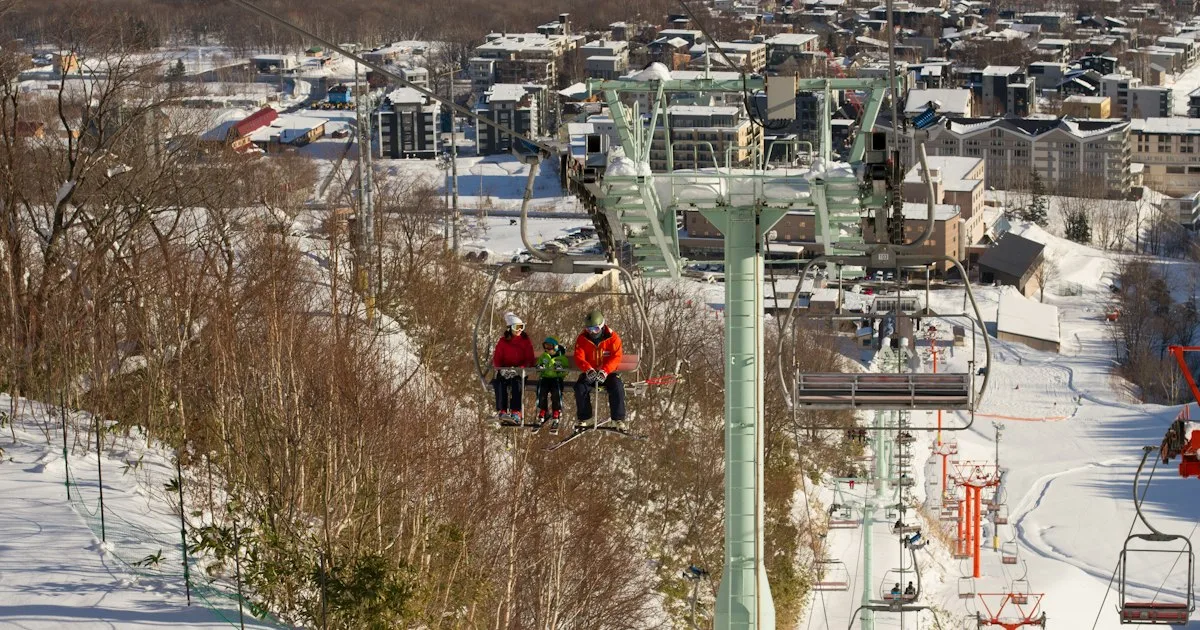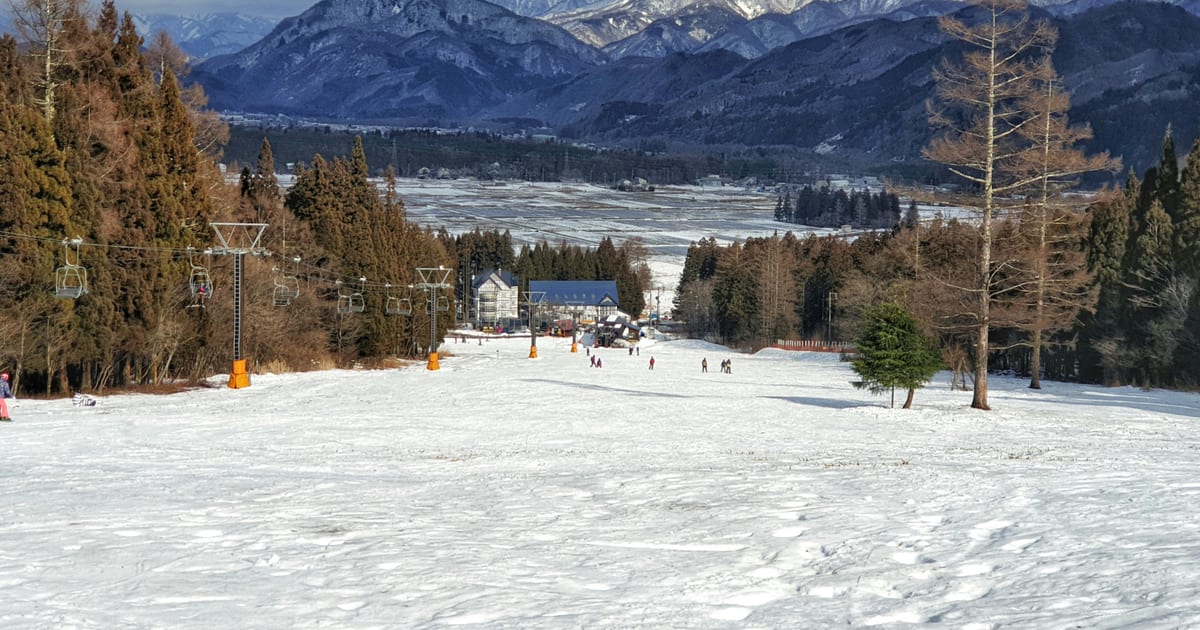
Hakuba ski season jobs are mostly in hotels, lodges, rental shops, restaurants and lift operations across the Hakuba Valley's resorts, with the season usually running from December to March. If you want a Japanese winter in the Northern Alps, within easy reach of Tokyo, Hakuba is one of the strongest bases for a working holiday.
Why Hakuba works as a working holiday base
The Hakuba Valley sits in the Northern Japan Alps in Nagano Prefecture. It hosted alpine events at the 1998 Winter Olympics and is now one of the most popular ski destinations in Japan with international visitors. That popularity is exactly what makes it useful for working holiday makers: lots of visitors means lots of seasonal jobs, and many of those guests speak English.
A few things set Hakuba apart from other ski towns:
- Lots of resorts in one valley: there are around ten ski resorts spread along the valley, so the work is not tied to a single mountain or a single employer.
- Big mountain terrain: the peaks of the Northern Alps tower over the valley, and the steep, varied skiing is a big part of the draw for staff as well as guests.
- Close to Tokyo: the shinkansen to Nagano and a bus into the valley put Tokyo within a day trip's reach, which makes days off and the journey in and out much easier.
- Life beyond winter: Hakuba also has a busy summer "green season" with hiking, rafting and mountain biking, so it is not a town that empties completely in April.
If you are still weighing up where in Japan to spend a winter, our guide to ski season jobs in Japan compares the main options, and for the bigger picture of where the work is all year round, start with working holiday jobs in Japan.
The jobs on offer in Hakuba
Winter brings strong demand for seasonal hospitality and resort staff. Most of the roles open to working holiday makers fall into a handful of groups:
- Hotel, lodge and chalet staff: front desk, guest services, breakfast and dinner service, and in smaller chalets a bit of everything.
- Housekeeping: cleaning and turning over rooms between guests. Early starts, but often finished by mid-afternoon, which leaves time to ride.
- Ski and snowboard rental: fitting boots, setting bindings and handling the morning rush. Product knowledge helps, but most shops train you.
- Restaurants, cafés and bars: kitchen hands, floor staff, baristas and bartenders, mostly working afternoons and evenings.
- Lift and resort operations: loading chairlifts, clearing snow, ticketing and helping guests on the mountain.
Instructor roles exist too, but they usually need a recognised teaching qualification, so treat them as a separate path. If you have never worked in hospitality before, our guide to working holiday Japan jobs with no experience explains which roles are realistic first jobs and how to present yourself for them.
Do you need Japanese?
Because Hakuba is so popular with international guests, many guest-facing roles in hotels, rental shops and bars run largely in English. Japanese still helps a lot: it widens the jobs you can apply for, makes working alongside Japanese colleagues easier and changes how much you get out of life in the valley. Even a polite self-introduction and the basic workplace phrases make a good impression in an interview. Our tips on the language barrier at work are a good place to start.
The Hakuba Valley's resorts at a glance
You do not need to know every resort before you apply, but it helps to understand how the valley is laid out, because where you work shapes your daily life.
- The central resorts: the area around Happo-one and Hakuba village is the busiest part of the valley, with the largest concentration of hotels, restaurants and bars. More guests means more jobs, and more going on after work.
- The southern resorts: Hakuba 47 and Goryu are linked and popular with a wide mix of skiers and snowboarders, with family-friendly areas lower down.
- The quieter ends of the valley: resorts further north and south, such as Tsugaike and Iwatake, tend to feel more relaxed and local. They suit people who want to ski more and party less.
Shuttle buses link many parts of the valley in winter, but timetables and routes vary, so ask any employer how staff get to work and to the slopes. It makes a real difference to your season if you live a short walk from the lifts rather than a bus ride away.
When the season runs and when to apply
The ski season in Hakuba generally runs from December to March, depending on the snow and the resort. Seasonal staff usually need to arrive before the lifts open for training, so expect a start date before the season proper.
The bigger point is that hiring happens months before the snow. Ski resorts across Japan recruit for the winter from the middle of the year into the autumn, and the best roles, and the best staff housing, tend to go early. If you are reading this in October or November, you are not too late, but you need to move quickly. Our guide to ski season jobs in Japan that are still hiring covers how to apply late and still stand out.
When you apply, have these ready so you can respond the same day a role appears:
- An English CV, plus a Japanese CV (rirekisho, 履歴書) for Japanese employers
- A clear idea of the dates you can arrive and leave
- A short, honest answer to "why Hakuba?" and "why this job?"
- Somewhere quiet with a reliable connection for a video interview
Accommodation and the cost of a season
Some Hakuba employers provide staff accommodation, often in shared rooms or staff dorms, and some do not. Where they do, rent is usually taken from your wages, and it is worth asking exactly what is included: utilities, internet, meals, a ski locker, and how far it is from work. Where housing is not provided, you will be looking for a room in a share house or apartment in a very busy town, so start early.
Your other big costs are a season pass, gear and food. Season passes for the valley are a significant expense, though some employers include a pass or a discount as a staff perk, so always ask. Bring enough savings to cover your first few weeks, before your first pay day, plus your flights and the journey into the valley. Our guide to ski resort staff accommodation is written for Niseko, but the questions to ask an employer about housing are the same in Hakuba.
Getting to Hakuba and life in the valley
From Tokyo, take the Hokuriku shinkansen to Nagano, then a bus into the valley. Being this close to the capital is one of Hakuba's biggest advantages: you can arrive in Tokyo, sort out your first few errands and be in the mountains the same day.
Daily life in a season settles into a rhythm. Shift workers often ride in the morning and work in the afternoon or evening, or the other way round, and days off become chances to explore the valley's other resorts, soak in a local onsen or head further afield in Nagano. Japanese workplaces value punctuality, tidiness and teamwork, and a season goes much more smoothly if you understand that from day one. Our guide to Japanese workplace culture explains what to expect.
Your visa comes first
You cannot start a Hakuba job until your working holiday visa has been granted and you have entered Japan on it. Age limits, documents and processing times depend on your nationality and are set by the Japanese embassy or consulate in your country, so check the current requirements there. Our working holiday Japan visa guides go through the process country by country and link to the official sources. Start early, because you do not want an employer's start date to arrive before your visa does.
How Helping Hand can help
Helping Hand isn't open in Hakuba yet. If Hakuba is where you want to spend a season, join the waitlist for Hakuba and you'll hear first as soon as it opens. When it does, the Season Programme for Hakuba will work the same way as our other areas, getting you ready before you leave home:
- Visa support and a document check
- A Japanese CV (履歴書) and interview prep
- A pre-departure course and planning call
- Two Japanese lessons
- Support all season, with accommodation help where your employer doesn't provide it
The Season Programme costs £650, and nothing is due until your visa is granted and you have finished the pre-departure course.
Want a ski season this winter? The Japan Ski Season programme is open now on the same terms. We work with partner employers in our open areas, most of our partner resorts are in Niseko today, and on your hello call we help you choose the resort that suits you. Our guide to Niseko ski season jobs shows what a season there looks like.
Planning to find your own job? Support Only (£350) gives you visa support, a pre-departure planning call, job search guides, two Japanese lessons and support all season.
Share this guide
About the author
Head of “Making It All Work”
A traveller with a mission. Never taken a snowboarding lesson, yet confidently calls himself the “best snowboarder in the office”! More about them