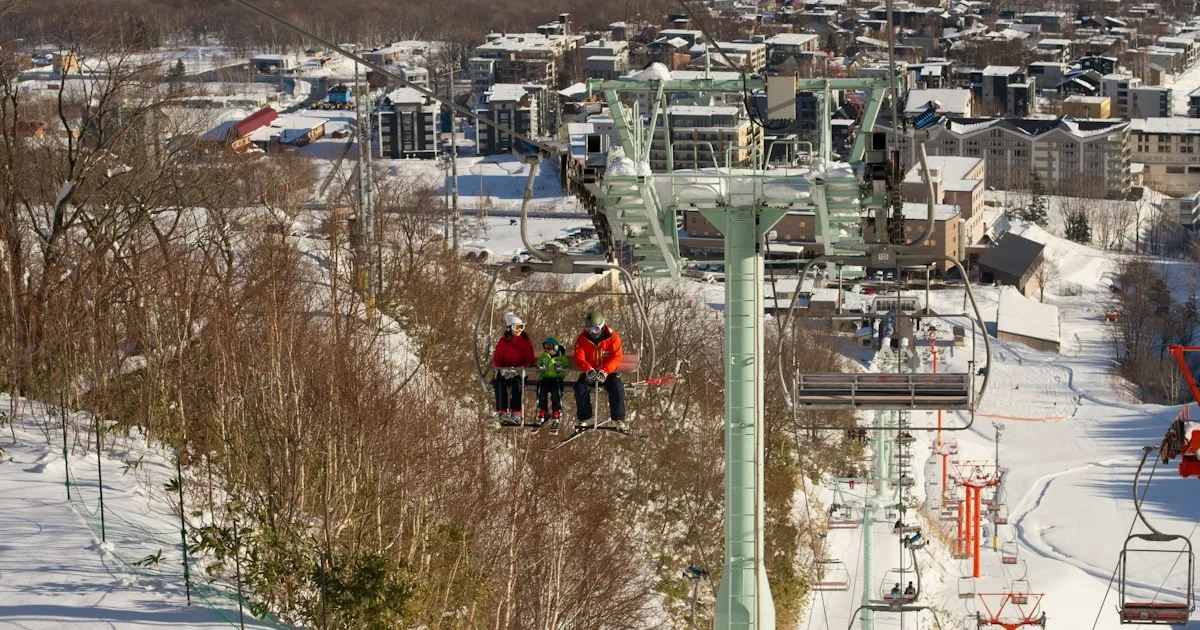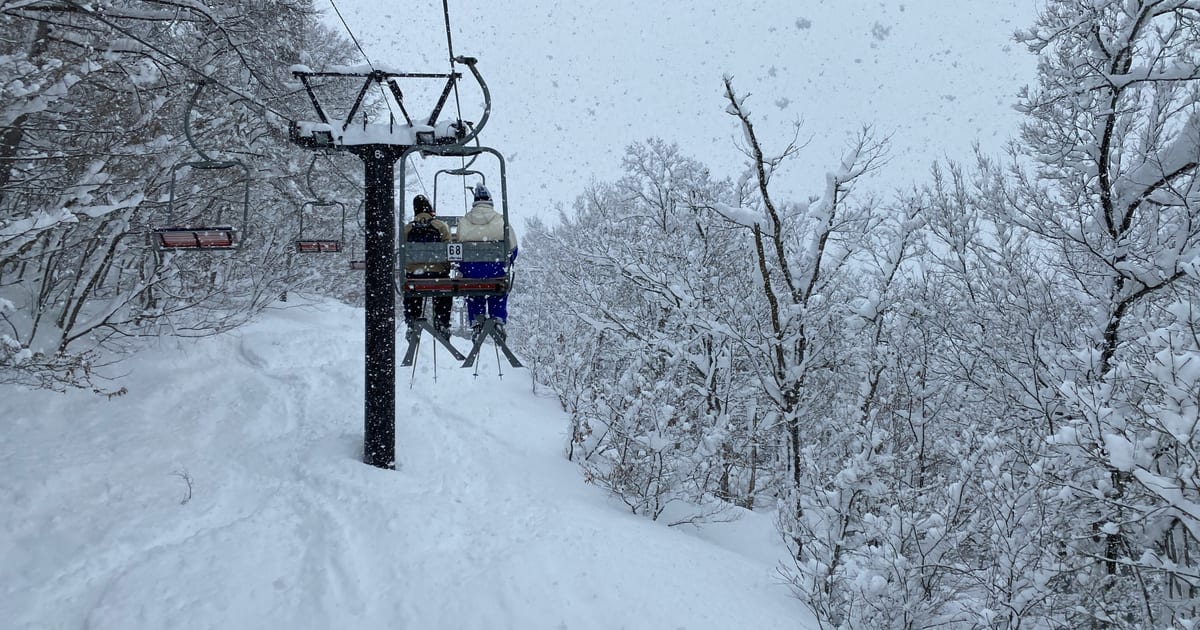
Yes, ski resorts in Japan are still hiring in October, November and even into December. Most of the big hiring happens over the summer, but every season roles open up late, and people who can move quickly, stay flexible and sort their visa fast still get a winter in the snow.
Are Japan ski season jobs still hiring this late?
The main hiring wave for a Japanese ski season runs from late spring through to early autumn. Employers want their teams confirmed before staff arrive for training in late November, so by October the most popular roles, especially those with staff housing attached, are usually spoken for.
That does not mean the door is closed. Hiring in a ski town is never a single, tidy round. Plans change, new properties open, and businesses find out late in the autumn how busy their winter is going to be. The result is a steady trickle of openings from October right through to the start of the season, and a smaller one after it.
What changes when you apply late is not whether there is work, but how much choice you have. You may not get your first-pick role, your first-pick resort or a start date that suits you perfectly. If you go in expecting that, applying late can still work out very well.
Why roles open up late in the season
It helps to understand where late vacancies come from, because it tells you what to look for:
- Drop-outs: some people who accepted a role over the summer change their plans, take another job or can't get their visa in time. Each one leaves a gap an employer has to fill quickly.
- Busier-than-expected bookings: when advance bookings come in strong, hotels, restaurants and rental shops add staff to cope with the peak weeks.
- Peak-period cover: the Christmas and New Year holidays and the busiest weeks of January and February need extra hands, so some employers hire for a slightly later start.
- Mid-season departures: a few staff leave early every season, which opens up roles for people who can start in January.
The common thread is that late roles need filling fast. The applicant who is ready to say yes, with a clear visa plan and an arrival date, is the one who gets them.
Which ski season jobs are easiest to get late?
The roles that tend to come up late are the ones resorts need in the largest numbers, and many of them are open to people without previous experience:
- Housekeeping: hotels and apartments always need more people to turn rooms around between guests, especially in the peak weeks.
- Restaurants, cafés and bars: kitchen hands, dishwashers, servers and baristas are hired in large numbers, and late openings are common.
- Lift operations: lift teams are big, and drop-outs need replacing before opening day.
- Ski and snowboard rental: rental shops often add staff once they see how busy their bookings are.
- Hotel front desk and guest services: less common late, but they do come up, and good English is a real asset.
If you have never worked a season before, our guide to working holiday jobs in Japan without experience explains how employers train beginners, and our wider guide to ski season jobs in Japan covers what each type of role involves day to day.
Your visa is the real deadline
When you apply late, the job is rarely the hardest part. The working holiday visa is. You apply for it from your home country, through the Japanese embassy or consulate there, and the eligibility rules, documents and processing times differ by nationality. You can't usually start work until the visa is in your passport, so it sets the earliest date you can arrive.
That makes the first step simple: check your embassy's website today, not once you have a job offer. Find out which documents you need, whether you need an appointment and how long processing usually takes. Our working holiday Japan visa guides link to the official sources for each country.
A few practical tips for a fast application:
- Gather documents in parallel: start on your passport photos, bank statements and any written plan while you job hunt, so you are ready to submit as soon as you can.
- Check your passport: make sure it is valid for your whole stay and has blank pages.
- Avoid the common errors: a mistake on the form costs time you don't have. Our guide to the most common working holiday visa mistakes lists the ones to watch.
How to stand out when you apply late
Employers hiring in October and November are usually filling a gap they need closed quickly. Make it easy for them to say yes:
- Be clear about your dates: say exactly when you can arrive and how long you can stay. A firm date beats a vague "as soon as possible".
- Be flexible on role: saying you're happy in housekeeping, the kitchen or on the lifts gets you placed far faster than holding out for one job.
- Be flexible on resort: if you're set on Japan but not on one town, you have far more openings to choose from.
- Commit to the season: staying through to the end of March is worth more to an employer than a perfect CV.
- Show you're organised: a visa plan, a realistic arrival date and quick replies all signal that you will actually turn up.
- Mention any service experience: hospitality, retail or customer service work counts, even part-time.
Accommodation: the thing to check first
In a busy ski town, housing goes faster than jobs. By late autumn, much of the private rental stock near the slopes is already taken by guests and by staff who arrived early, and what is left can be expensive. Finding a room on your own from overseas in November is hard.
That is why the best late roles are the ones that come with staff accommodation, or where the employer helps arrange it. Before you accept anything, ask whether housing is included or arranged, roughly what it costs in yen, and how far it is from work. Accepting a job without somewhere to live is the most common way a late season goes wrong.
Can you still start in January?
Yes. The Japanese ski season generally runs from December to March, and the busiest stretch is often January and February. A January start is a realistic plan if your visa or your notice period means you can't arrive in late November.
Starting mid-season has trade-offs: you may miss the training period and the social side of arriving with everyone else, and there are fewer roles to choose from. On the other hand, you still get the deepest snow of the winter, and some employers are actively looking for people who can fill a gap after the holidays. If you would rather plan a later start altogether, our guide to the best time to arrive in Japan compares the options across the year.
Should you use a placement service when you apply late?
Applying late means doing everything at once: finding a job, securing housing and getting a visa, all against a deadline. A placement service can take a lot of that off your plate, because it already knows which employers still have openings and can move quickly.
If you are weighing up a placement service, look for one that is clear about what you get and when you pay, and don't pay a large fee before anything is secured. Our overview of Japan working holiday programmes explains the questions worth asking.
How Helping Hand can help
If you know you want a ski season in Japan but haven't picked a resort, the Japan Ski Season package is built for you, and it is open now. Apply with your arrival month and the roles you'd enjoy, and on your hello call we help you choose the resort that suits you. Today most of our ski placements are in Niseko, which you can read about in our guide to Niseko ski season jobs.
- A guaranteed job placement, secured before you fly
- Visa application guidance and paperwork help
- Two Japanese lessons as standard
- Local support throughout your season
The package costs £650, and you only pay once your job is secured: no job, no fee, and nothing upfront. Already set on Niseko? Apply for a Niseko season directly, with accommodation included.
Prefer to find your own job? The Support Only package (£300) gives you visa application help, a pre-departure planning call, job search guides, two Japanese lessons and support during your trip.
Share this guide
About the author
Working Holiday Work Team
We run Helping Hand, a job placement service for working holiday makers in Japan. We find and secure your job before you fly, help with the visa paperwork, and support you on the ground once you arrive.