Most jobs in Kyoto for foreigners on a working holiday are in tourism and hospitality: hotels and hostels, traditional ryokan inns, cafés and restaurants, and the shops that serve visitors to the old capital. Kyoto is busy all year, with peaks in spring and autumn, so there is steady demand for staff who can help international guests.
Why Kyoto works for a working holiday
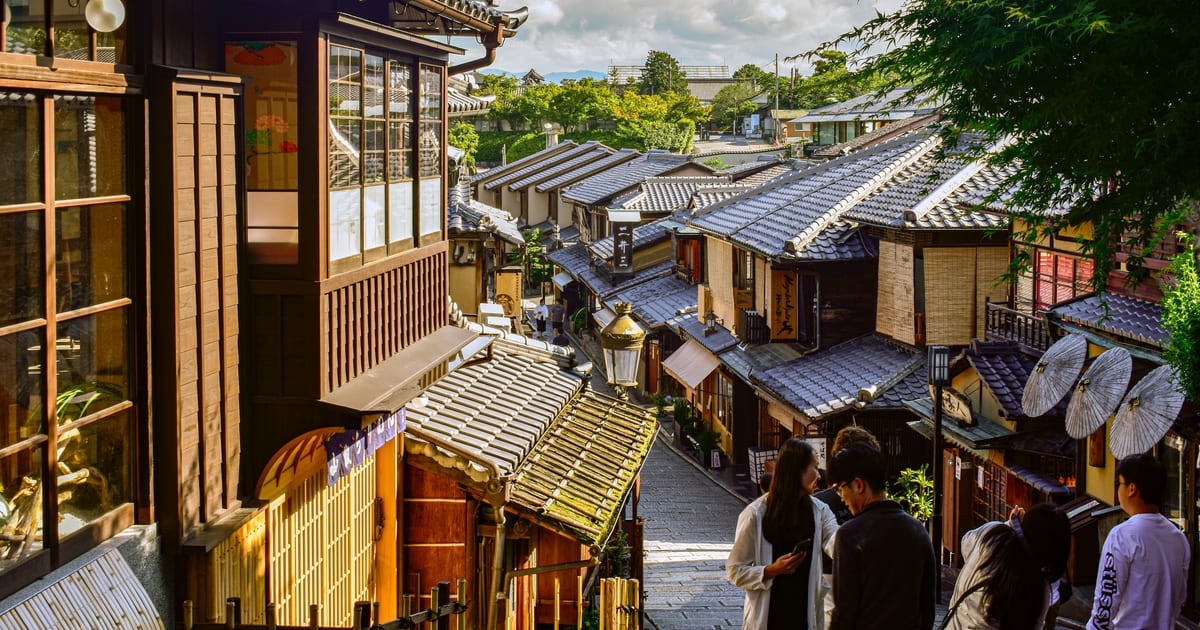
Kyoto was Japan's imperial capital for more than a thousand years, and it still feels like it. Temples, shrines, wooden townhouses and stone-paved lanes sit right alongside a modern city with good transport, universities and plenty of places to eat. For many people it is the image of Japan they had in mind before they arrived.
That draw is exactly why the work is there. Visitors come from across Japan and around the world, and they need places to sleep, eat and shop. Hotels, guesthouses and restaurants in the busiest districts look for staff who can speak English with guests, and a working holiday maker who is willing to learn the Japanese way of doing things fits that need well.
Kyoto is also a city rather than a resort. You live in normal neighbourhoods, shop in local supermarkets and can stay for months rather than a single season. If you are still deciding where to spend your working holiday in Japan, Kyoto suits people who want culture and city life without the scale of Tokyo.
The main jobs in Kyoto for foreigners
The roles open to working holiday makers fall into a few groups. Our guide to hospitality jobs in Japan goes deeper into each type of work; here is how they look in Kyoto.
Hotels, hostels and guesthouses
Kyoto has everything from large city hotels near Kyoto Station to small guesthouses in converted townhouses. Typical roles include:
- Housekeeping: cleaning and preparing rooms between guests. Steady, physical work and one of the most common first jobs.
- Front desk and reception: check-in, answering questions and helping guests plan their day. Hostels and guesthouses with many international guests often value English highly here.
- Breakfast and restaurant service: setting up, serving and clearing in hotel restaurants.
- Night shifts: some hostels and smaller hotels need cover overnight for late arrivals and security.
Ryokan (traditional inns)
Working in a ryokan is one of the most distinctive jobs you can do in Kyoto. Staff clean and prepare tatami rooms, lay out futons, serve multi-course dinners and breakfasts, and look after guests in the baths and common areas. The standards of service are high and the etiquette is detailed: how you kneel, how you open a sliding door, how you present a tray. It is demanding, but you learn a side of Japan that few visitors ever see.
Some ryokan offer live-in positions, where a room is provided as part of the job. Always ask exactly what is included and what is deducted from your pay.
Cafés and restaurants
From traditional tea houses to modern coffee shops and izakaya, Kyoto has a huge number of places to eat and drink. Kitchen and dishwashing roles can work with limited Japanese; floor roles usually need enough to take orders and talk with the team. Places in tourist areas are more likely to look for English speakers.
Tourist-facing retail
Souvenir shops, kimono rental businesses and craft stores around the main sights need staff who can help visitors from overseas. These roles mix customer service, stock work and a lot of explaining what things are and how to use them.
If you have never worked in hospitality, start with our guide to working holiday jobs without experience. Many of the roles above train you on the job.
Where the work is: Kyoto's main areas
Kyoto is compact enough to cycle across, but each area has its own character and its own type of work:
- Kyoto Station area: large hotels, shopping centres and restaurants, with the best transport links in the city.
- Downtown (Kawaramachi and Shijo): the main shopping and nightlife streets, with cafés, restaurants, bars and many hostels.
- Gion and Higashiyama: the historic heart of the city, with ryokan, traditional restaurants, tea houses and souvenir shops along the lanes towards Kiyomizu-dera.
- Arashiyama: in the west of the city, known for the bamboo grove and river views, with ryokan, restaurants and shops that serve day visitors.
- Fushimi: in the south, home to Fushimi Inari shrine and the old sake district, with a quieter, more residential feel.
Buses, the subway and several private railway lines connect them, and many residents simply get around by bicycle. Osaka is a short train ride away, which gives you a second big city for days off. Our comparison of Tokyo and Osaka for a working holiday is useful if you are weighing up the Kansai region against the capital.
When Kyoto hires: the seasons
Kyoto welcomes visitors all year, but the busiest periods shape when employers need extra staff:
- Spring (late March to early April): cherry blossom season is one of the busiest times of the year. Our guide to cherry blossom season jobs explains how the rush works.
- Golden Week (early May): a run of Japanese public holidays that brings crowds from across the country.
- Summer: hot and humid, but July brings the Gion Matsuri festival and school holidays keep the city busy.
- Autumn (November): the autumn leaves are Kyoto's other great peak, and temples and gardens draw huge numbers of visitors.
- Winter: generally quieter outside the New Year holidays, which can be a good time to arrive, settle in and learn the job before spring.
Because demand is year-round, Kyoto also suits people who want to stay in one job for a long stretch rather than chase short seasons.
How much Japanese do you need?
It depends on the role and the employer. Hostels and guesthouses with mainly international guests may be happy with good English and basic Japanese. Ryokan, local restaurants and larger hotels usually expect more, because you will work closely with Japanese colleagues and many guests are domestic travellers.
Whatever your level, a few things help:
- Learn hiragana and katakana before you arrive, so you can read menus, signs and rotas.
- Practise polite customer phrases, because Kyoto's service culture leans formal.
- Understand the basics of Japanese workplace culture. Our guide to Japanese workplace culture covers punctuality, teamwork and how feedback is given.
Housing and living costs in Kyoto
Unlike ski resort jobs, most city jobs in Kyoto do not include accommodation, so plan for finding your own place. Share houses and long-stay guesthouses are the usual options for working holiday makers, because they come furnished and avoid the large upfront costs of a standard Japanese lease. Live-in ryokan jobs are the main exception.
Rents are generally lower than in central Tokyo, but popular areas fill up quickly before the spring and autumn peaks. Many employers pay monthly, so bring enough savings to cover your flight, a deposit and at least your first month. Treat any figures you see online as rough guides, and ask employers for pay and conditions in writing.
How to prepare and apply
Kyoto employers recruit throughout the year, but they look for people before the spring and autumn rushes. These steps give you the best start:
- Get your visa sorted first. Who can apply, the age limits and the documents depend on your nationality. Check if you qualify for the visa, then confirm the current rules with the Japanese embassy or consulate where you will apply. Our post on what work the visa allows explains which jobs suit it.
- Prepare a Japanese CV. Most employers expect a 履歴書 (rirekisho) in the standard format with a suitable photo.
- Practise your interview. A short self-introduction in Japanese makes a strong first impression, even if the rest is in English.
- Time your arrival. Arriving a month or two before a peak gives you time to find housing and settle into a job.
For the wider picture, our guide on how to get a job in Japan on a working holiday covers the routes in more detail, and our overview of working holiday jobs in Japan shows where the work is across the country.
How Helping Hand can help
Helping Hand isn't open in Kyoto yet. If Kyoto is where you want to spend your working holiday, join the waitlist for Kyoto and you'll hear first when it opens. When it does, the Season Programme for Kyoto will work the same way as our other areas, getting you ready before you leave home:
- Visa support and a document check
- A Japanese CV (履歴書) and interview prep
- A pre-departure course and planning call
- Two Japanese lessons
- Support all season, with accommodation help where your employer doesn't provide it
The Season Programme costs £650, and nothing is due until your visa is granted and you have finished the pre-departure course.
Ready to start planning now? The Anywhere in Japan programme is open on the same terms, for any job and any season. On your hello call we help you decide where and when to go.
Planning to find your own job? Support Only (£350) gives you visa support, a pre-departure planning call, job search guides, two Japanese lessons and support all season.
Share this guide
About the author

Our Local Legend in Osaka & Kyoto
Your guide to urban Japan. Always ready to share the best spots! More about them