Most people get their first job in Japan on a working holiday in one of three ways: a seasonal employer that recruits from overseas, a job search once they have landed, or a programme that prepares them before they go. Whichever route you take, the people who get hired fastest are the ones who arrive with their visa sorted, a Japanese-style CV ready and some interview practice behind them.
First, what kind of work are you looking for?
A working holiday is meant to be a holiday first, with work to help fund it, so most jobs are practical, hands-on roles rather than office careers. The bulk of the work is in hospitality and tourism, and a lot of it is open to people without previous experience:
- Hotels, ryokan and guesthouses: housekeeping, front desk, breakfast service and guest services.
- Restaurants, cafés and bars: kitchen hands, floor staff and baristas, especially in busy tourist areas.
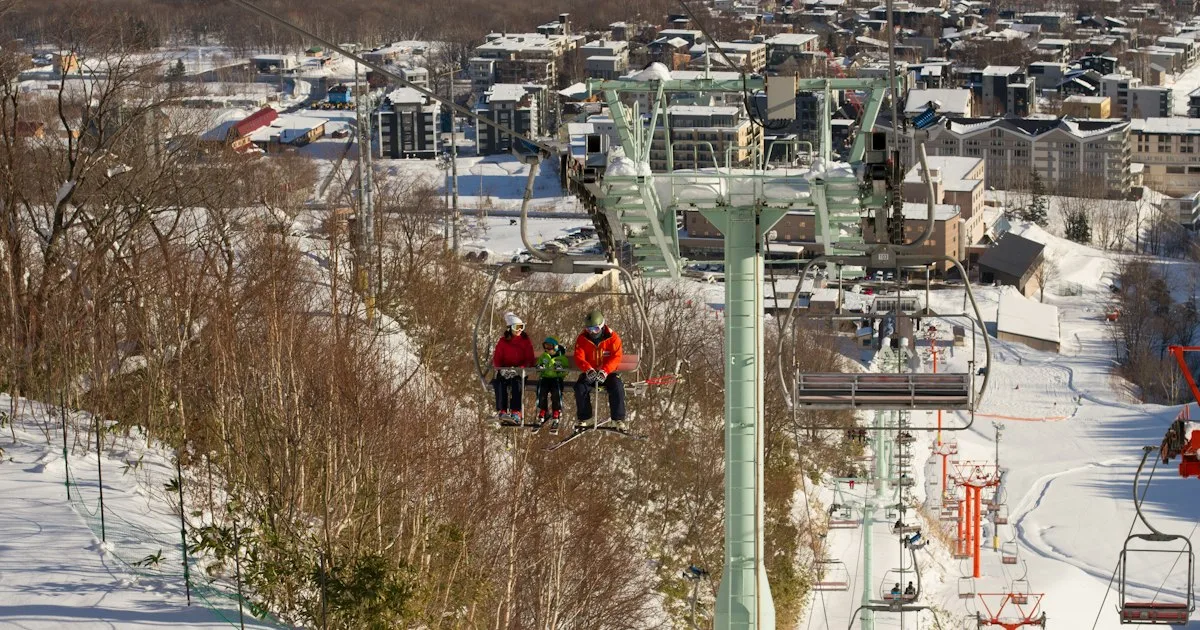
- Ski resorts in winter: lift operations, rental shops, hotel and restaurant work in places such as Niseko and Hakuba.
- Seasonal and rural work: resort jobs in the warmer months, farm work at harvest time and roles in the countryside.
If you have never worked in these jobs before, our guide to working holiday Japan jobs with no experience goes through the entry-level roles in more detail. For an overview of the main kinds of work, where they are and when, start with working holiday jobs in Japan.
It also helps to decide early how much the location matters to you. Someone set on a winter in the mountains will search very differently from someone happy to go wherever the work is.
Route 1: a seasonal employer that hires from overseas
The most straightforward way to start is with an employer that recruits international staff before the season begins. Ski resorts and resort hotels are the classic example: they need large teams for a few busy months, they are used to hiring people from abroad, and many of them provide staff accommodation.
The advantages are clear. You know where you are going, what you will be doing and where you will live before you get on the plane, which takes most of the stress out of arriving. The trade-off is timing: these employers recruit months ahead, and the best roles fill early. For a winter season, much of the hiring happens from the middle of the year into the autumn, with staff arriving in late November for a season that usually runs from early December to late March. Our guide to Niseko ski season jobs shows what that timeline looks like in practice.
Applications usually involve an online form, a CV, a video interview and sometimes a short test of your English or Japanese. Treat them as you would any job application: tailor your CV, answer promptly and be ready to talk about why you want to spend a season with them.
Route 2: find work after you arrive
Plenty of working holiday makers arrive with savings, spend a little time travelling and then look for work locally. This gives you more freedom to choose a city and see a workplace before you commit, but it carries more risk, so plan for it properly.
- Job listings: there are both Japanese-language job sites and English-language listings aimed at foreign residents. The Japanese sites have far more roles, so even basic Japanese, or a patient friend, widens your options a lot.
- Hello Work: Japan's public employment service offices, which list local jobs and can help you understand what is on offer.
- Walking in and asking: in tourist areas, small cafés, guesthouses and bars sometimes hire people who ask in person, especially in a busy period. Go outside peak hours, dress neatly and have a printed CV with you.
- Word of mouth: hostels, share houses and other working holiday makers are a surprisingly good source of leads. Many jobs are passed on when someone leaves.
Before you go down this route, make sure you have enough savings to live on for a month or two without income, because a search can take longer than you expect. Most employers will also want you to have a local address, a phone number and a bank account for your wages, so sort those out quickly once you land. Our working holiday budget guide helps you work out how much of a cushion you need.
Route 3: a programme or agency
The third route is to use a programme or agency that helps you prepare, and in some cases supports you while you are in Japan. These vary a lot in what they include, how much they cost and when you pay, so read the details carefully and ask questions before you sign anything. Our page on Japan working holiday programmes explains what they typically cover and what to ask.
A good programme does not replace your own effort, but it can save you time on the paperwork, make your applications stronger and give you someone to call if something goes wrong once you are there.
Before you fly: get your visa sorted
You cannot start working in Japan on a working holiday until your working holiday visa has been granted and you have entered the country on it. Each country's arrangement with Japan has its own rules on age, documents and timing, set out by the Japanese embassy or consulate for that country, so always check the current requirements there rather than relying on what a friend did a few years ago.
Our working holiday Japan visa guides walk through the process country by country and link to the official sources. Start early: gathering documents, booking an appointment and waiting for a decision all take time, and you do not want an employer's start date to arrive before your visa does.
Before you fly: prepare a Japanese CV
Many Japanese employers expect a rirekisho (履歴書), the standard Japanese CV. It follows a set layout and looks quite different from a Western CV:
- A formal photo: a recent, plain head-and-shoulders photo in neat clothing, usually attached in a box at the top.
- Personal details in a fixed order: name, date of birth, address and contact details.
- Education and work history in date order: listed line by line, often in the Japanese date format.
- Qualifications and licences: including language certificates and a driving licence if you have one.
- A short motivation section: why you want this job and what you bring to it.
Keep a standard English CV as well, because international employers and resorts often ask for one. Having both ready means you can apply the moment a good role appears.
Before you fly: practise your interview
Interviews in Japan tend to be polite and fairly formal, even for a seasonal job. Employers want to know you will be reliable, that you will fit in with the team and that you will stay for the whole contract. A little preparation goes a long way:
- Be on time: for a video call, log in a few minutes early with your camera and sound already tested.
- Dress neatly: smart and simple, even if the job itself is in a kitchen or on a chairlift.
- Learn a few Japanese phrases: a polite self-introduction and a thank you at the end show effort, even if the rest of the interview is in English.
- Have clear answers to the usual questions: why Japan, why this job, how long you can stay and when you can start.
- Ask about the practical details: hours, accommodation, uniform, transport and what training is provided.
Our guide to Japanese workplace culture explains the expectations behind those questions, and our tips on the language barrier at work help if your Japanese is still at the beginner stage.
Timing your arrival
When you arrive affects how easy it is to find work. Winter brings a wave of ski resort jobs, spring and autumn are busy tourist seasons in the cities, and summer opens up resort and outdoor work. Arriving just before a busy season, rather than in the middle of a quiet spell, gives you the best chance. Our guide to the best time to arrive on a working holiday goes through the year season by season.
How Helping Hand can help
If you know you want Japan but have not decided where, the Anywhere in Japan Season Programme is open now for any job and any season. You apply with the month you can arrive and the kind of work you would enjoy, and on your hello call we help you decide where and when to go. We work with partner employers in our open areas, and the programme gets you ready before you leave home:
- Visa support and a document check
- A Japanese CV (履歴書) and interview prep
- A pre-departure course and planning call
- Two Japanese lessons
- Support all season, with accommodation help where your employer doesn't provide it
The Season Programme costs £650, and nothing is due until your visa is granted and you have finished the pre-departure course. Apply now for Anywhere in Japan.
Planning to find your own job? Support Only (£350) gives you visa support, a pre-departure planning call, job search guides, two Japanese lessons and support all season.
Share this guide
About the author

Our Local Legend in Osaka & Kyoto
Your guide to urban Japan. Always ready to share the best spots! More about them